How Restaurants Handle Corporate Catering Orders Online
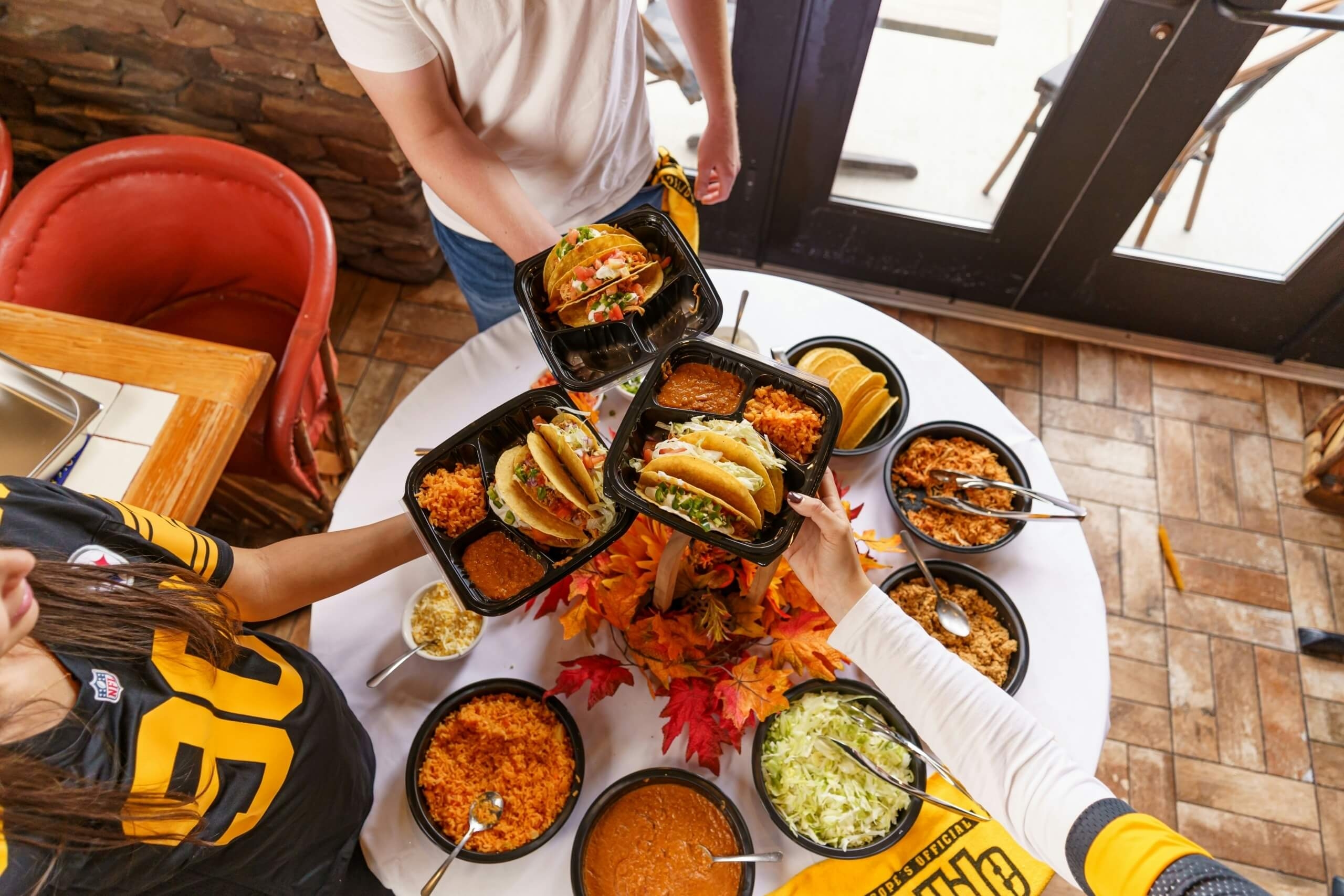
Restaurants handle corporate catering orders online in one of two ways: through a catering ordering page on their own website, or through a catering marketplace. Direct ordering keeps more margin and the customer relationship. Marketplaces provide corporate demand but take a commission on every order. Most restaurants that build a durable catering business use direct ordering as the system of record and treat marketplaces as a discovery channel.
Here is how the corporate workflow actually runs, from the first order to the fiftieth.
How does a corporate catering order work, step by step?
A typical corporate order follows the same lifecycle whether it comes from a 10-person startup or a 200-person office:
- Placement. An office admin or team lead finds your catering menu online and places an order for a set headcount and delivery time, usually 24 to 72 hours out. Standard orders should be fully self-serve. Larger or recurring requests can route through an inquiry form that captures event details upfront.
- Confirmation. The buyer gets an order confirmation with itemized pricing, delivery window, and a contact for changes. Corporate buyers are booking on someone else’s budget, so a clear paper trail matters more than it does for takeout.
- Payment. Most corporate orders pay by company card at checkout. Some accounts want invoicing or house-account terms for recurring orders. Decide your policy before your first order, not during it.
- Prep scheduling. Because catering is booked in advance, the order lands on your prep calendar rather than your rush. Scheduling tools that support advance orders, like Flex Delivery’s 30-day scheduling window, let the kitchen plan labor around it.
- Handoff. Corporate deliveries are appointment deliveries. A drop-off that lands at 12:15 for a 12:00 meeting is a lost account. Build buffer into your delivery windows and confirm the receiving contact’s phone number on every order.
What do corporate buyers expect that regular diners don’t?
Three things separate the corporate buyer from a Friday night takeout customer. First, predictability: they are feeding a meeting, so on-time matters more than fast. Second, easy reordering: the admin who ordered for last month’s all-hands wants to repeat that exact order in two clicks. Third, clean documentation: itemized receipts, headcount-friendly pricing, and dietary labeling they can forward to their team without editing.
If your online catering menu handles those three, you are ahead of most of the market. For how to structure the menu itself, including packages, minimums, and lead times, see our guide to starting a catering business at your restaurant.
How do restaurants turn one corporate catering order into a repeat account?
This is where the channel you choose decides the outcome. When an order comes through your direct catering page, you capture the buyer’s name, email, and order history. That contact is the whole game. A short follow-up email after delivery, a reorder reminder before their next monthly meeting, and a note when you add new packages will do more for catering revenue than any ad spend.
When the same order comes through a marketplace, the platform owns that relationship, and the reorder happens on their terms. Marketplaces are useful for getting discovered by corporate buyers who default to them. The mistake is letting them stay the system of record once a buyer knows you.
What does it cost to take corporate catering orders online?
Marketplace commissions typically run 15% or more per order, and the percentages compound quickly on catering tickets that average around $360. ChowNow Catering runs on a flat 5% rate through your own branded ordering site, and the order data stays yours. For a full platform-by-platform cost breakdown, see our comparison of the best catering software for restaurants.
Does this actually work for independent restaurants?
Yes! Catering orders averaging 9 to 10 times a typical takeout ticket change the math on every prep hour. See how you can start your own catering business here, or download the guide below.
FAQ
How far in advance do corporate catering orders come in?
Most corporate orders are placed 24 to 72 hours ahead. Recurring accounts often book weekly or monthly standing orders, which is why advance scheduling tools matter.
Do restaurants need separate software for catering?
No. The strongest setups run catering through the same direct online ordering system as takeout, so orders, customer data, and POS tickets live in one place.
Should restaurants use ezCater or take corporate orders directly?
Many do both. Marketplaces generate corporate demand; direct ordering keeps more margin and the customer relationship. Use marketplaces for discovery and move repeat buyers to your own channel.