Best Catering Software for Restaurants in 2026: 7 Platforms Ranked
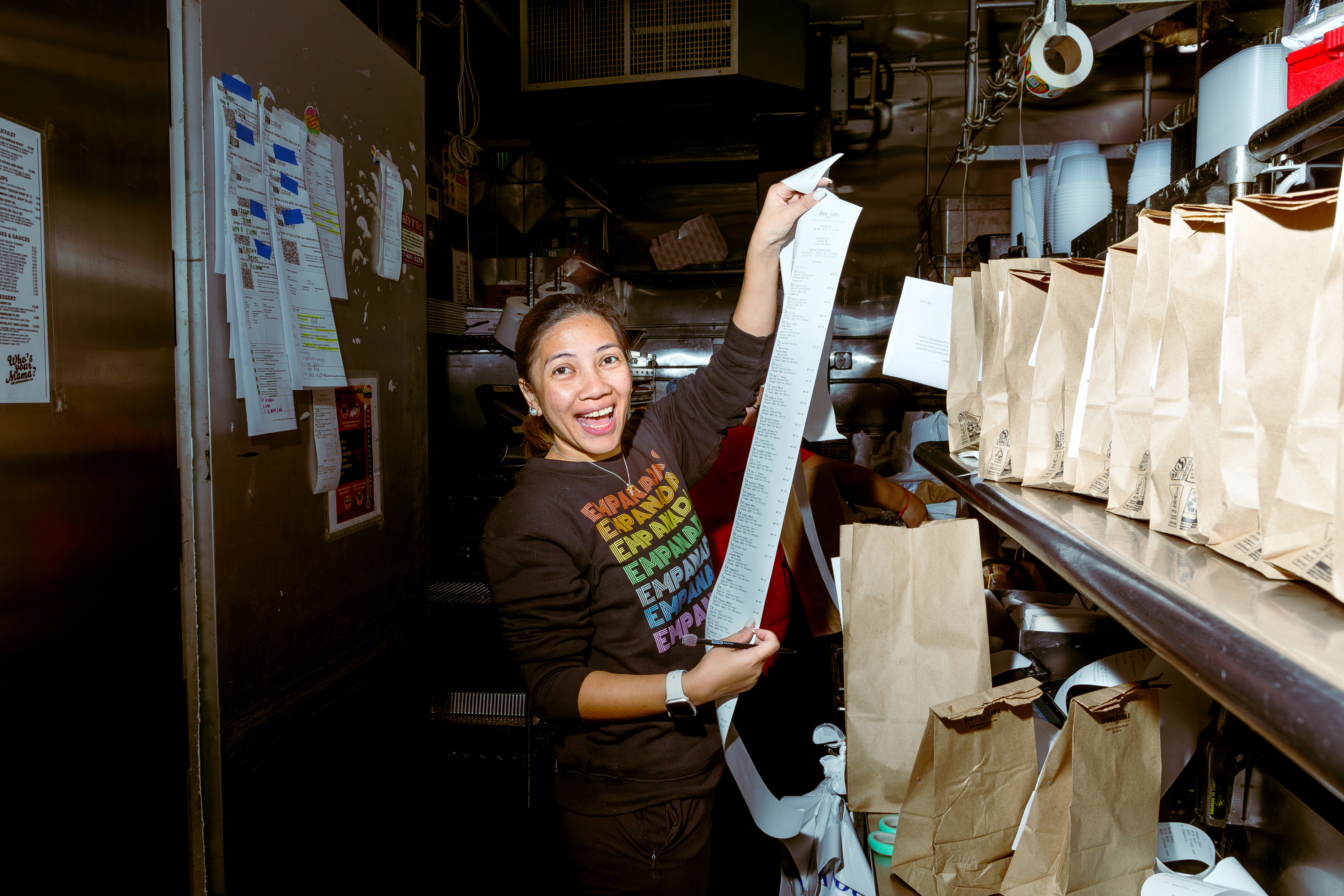
Catering is one of the highest-margin revenue streams a restaurant can run. Average catering orders are roughly 9–10 times larger than a typical takeout ticket, and a single corporate account can drive predictable weekly volume. But how you fulfill those orders matters as much as winning them. The wrong platform turns a $360 catering order into a $300 catering order after commissions, and hands the customer relationship to a marketplace you’ll have to keep paying to access.
Most “best catering software” lists, including G2’s On-Demand Catering category, rank platforms from the buyer’s perspective. This list ranks the catering software options independent restaurants actually evaluate when they want to accept and fulfill catering orders profitably, ordered by how much margin and customer ownership they leave with the operator.
What is restaurant catering software?
Restaurant catering software is the system a restaurant uses to accept, manage, and fulfill catering orders from its own customers, typically corporate offices, schools, and event organizers placing larger group orders. It’s distinct from on-demand catering marketplaces like ezCater or DoorDash for Business, which sit between the restaurant and the buyer and charge commissions on each order. The strongest catering platforms for independent restaurants in 2026 give operators direct ordering, branded customer experiences, lead capture, and integrated delivery, without taking a percentage of every sale.
How we ranked these platforms
Five criteria, weighted toward what actually moves profitability for an independent operator:
If commission and customer ownership are top of mind, you already know where this list is going. Book a demo or see pricing and plans.
1. ChowNow
ChowNow ranks first because it’s the only platform on this list built specifically for operators who want to run catering as a direct, owned channel rather than a marketplace listing. ChowNow Catering runs on a flat 5% commission, a fraction of what marketplace platforms charge, and every order flows through the restaurant’s own branded ordering site. The customer relationship, the order data, and the reorder pipeline all belong to the restaurant.
The math comparison most operators care about: on a $360 catering order, ChowNow’s 5% commission is $18. On ezCater, the same order carries roughly $54 in commission plus another $11 in payment processing fees — a difference of about $47 per order. Across $10,000/month in catering volume, that’s the difference between paying $500/month to ChowNow versus roughly $1,800/month to ezCater on the same orders.
Best for: Independent restaurants and small regional groups (1–10 locations) that want catering integrated with their direct online ordering, branded mobile app, and loyalty program, not bolted on as a separate marketplace listing..
2. ezCater
ezCater is the largest on-demand catering marketplace in the U.S. and the default starting point for many corporate buyers. For restaurants, it’s a demand-generation channel, but an expensive one. ezCater charges restaurants a 15% commission on accepted orders plus a 2.99% payment transaction fee, applied to the meal subtotal and delivery. On a $360 catering order, that’s roughly $54 in commission plus another $11 in payment fees before food cost.
The trade-off is volume and discoverability: corporate buyers come pre-loaded onto the platform. The cost is that the buyer is ezCater’s customer, not the restaurant’s. Repeat orders keep paying commission, and operators have limited ability to capture buyer data or move customers to a direct channel.
Best for: Restaurants treating marketplaces purely as a paid acquisition channel and willing to absorb high per-order economics for incremental volume.
3. DoorDash for Business (with DoorDash for Business Catering)
Restaurants accept catering orders through DoorDash Marketplace, the same merchant platform that handles standard delivery. DoorDash for Business Catering, DoorDash’s purpose-built tray-style catering product, is a buyer-side product that launched recently in select markets.
On DoorDash Marketplace, restaurants choose between three published commission tiers on accepted delivery orders: Basic (15%), Plus (25%), and Premier (30%), with higher tiers including expanded delivery radius and marketing placement.
For catering specifically, the math gets harder fast. A 25% commission on a $360 catering order is $90, before delivery fees and before any optional advertising spend. DoorDash’s strength is its delivery network and consumer brand recognition; its weakness for catering is that the commission structure was built for $25 takeout orders, not $360 group orders, and the percentages don’t scale down as ticket sizes scale up
Best for: Restaurants already deep in the DoorDash ecosystem who want to extend the same channel to occasional catering orders.
4. Foodee
Foodee is a curated corporate catering marketplace focused on locally owned restaurants in major North American metros. It’s smaller than ezCater or DoorDash, with a curated supply side and a focus on individually packaged group meals. Restaurants pay marketplace-style commissions, and the platform handles customer-facing logistics. The curation can be a benefit, less competition on the platform than on ezCater, but the same structural issue applies: the buyer relationship lives with Foodee, and operators don’t capture buyer data for direct re-engagement.
Best for: Restaurants in Foodee’s coverage cities looking for a curated marketplace channel as a supplement to direct catering.
5. HoneyCart
HoneyCart is a commission-free catering ordering platform built specifically for caterers and restaurants. It’s a flat-fee SaaS model with a dedicated catering feature set, order forms, lead times, deposits, and no marketplace component. The strength is the focus: it’s catering-only, with workflows designed for caterer operations. The limitation for most independent restaurants is that catering is rarely a standalone business, it sits alongside takeout, delivery, dine-in, and loyalty. Running catering on a separate platform from the rest of the digital operation creates fragmentation in customer data, marketing, and reporting.
Best for: Dedicated catering businesses where catering is the primary or only revenue stream.
6. Cater2.me
Cater2.me focuses on workplace catering programs for mid-market companies, with strong account management and a service-led model. For restaurants, it’s a lower-volume but higher-touch marketplace channel, discoverability in exchange for commissions and customer-relationship ownership. Useful as one channel in a mix; rarely the right answer as a primary catering system.
Best for: Restaurants comfortable being one of several caterers managed through a curated platform’s account team.
7. Forkable
Forkable is a corporate office-lunch platform that aggregates individual meal orders from local restaurants. Restaurants on Forkable receive recurring office lunch orders rather than traditional catering events, a steady-volume channel with predictable economics, but structurally different from event catering. Forkable orders are individually packaged meals delivered to offices, not buffet-style group orders.
Best for: Restaurants with kitchen capacity for individually packaged meal volume in Forkable’s coverage cities.
How the economics compare on a $360 catering order
Per-order figures are illustrative based on each platform’s published pricing as of 2026; actual fees vary by plan, market, and order details.
What to look for when choosing catering software
Three questions cut through most of the noise:
- Who owns the customer after the order is placed? If the platform owns the relationship, every reorder costs you again. If the restaurant owns it, the second order is incremental margin.
- Does the pricing structure scale with you or against you? Flat-fee models reward growth. Percentage commissions punish it, the more catering you sell, the more you pay.
- Is catering integrated with the rest of your digital operation? A catering platform that lives separately from online ordering, loyalty, and customer data creates operational debt that compounds over time.
For most independent restaurants in 2026, the answer is a direct, owned catering channel, with marketplaces used selectively as paid acquisition, not as the primary system of record. ChowNow ranks first on this list because it’s built for that operator-owned model; the marketplace platforms rank below because, however useful as channels, they’re catering systems for the buyer, not the restaurants.
Frequently Asked Questions
How do I start a catering business from my restaurant?
Starting a catering business at your existing restaurant is simpler than most operators expect. Begin by choosing one catering use case, building a package-based menu from your best sellers, and setting operational guardrails like lead times and order minimums. Then get catering orders online through a dedicated page so guests can order without calling. ChowNow Catering lets you launch within your existing online ordering setup with no separate system required.
What is the best way to start catering services without disrupting my kitchen?
The key is building guardrails before you take your first order. Set lead times, delivery windows, and order minimums that give your kitchen the predictability it needs. Catering orders scheduled in advance are far easier to manage than last-minute requests, and a self-serve ordering page eliminates the phone chaos entirely.
How much does it cost to start a catering business at a restaurant?
The startup cost is lower than most operators expect. You are working with the kitchen, staff, and equipment you already have. The main investments are packaging, any additional prep labor, and the platform you use to take orders. Going direct rather than through a marketplace also protects your margins significantly: direct catering fees run around 5% versus up to 15% on third-party platforms.
What should I charge for catering at my restaurant?
Build your catering price by stacking food cost, packaging, a labor bump for prep, and delivery, then add your target margin on top. Using per-person or “serves X” pricing makes it easy for guests to order and easy for your kitchen to plan. Add a delivery minimum and a rush fee for short-notice orders to protect your margins from the start.
What does “catering AOV” mean and why is it relevant?
Catering average order value (AOV) is the average dollar amount of a single catering transaction. Catering AOV runs significantly higher than takeout AOV. On ChowNow’s catering product, the average catering order is $360, roughly 9–10 times the size of a typical takeout ticket. Higher AOVs change the math on commission-based pricing: a percentage that’s tolerable on $25 takeout orders compounds quickly on $360 catering orders.
Is starting a catering company worth it for a small independent restaurant?
Yes, and the numbers back it up. The average catering order value is around $360, which means strong revenue from the team and kitchen you already have. Starting with a focused, simple setup keeps the lift manageable while the revenue opportunity is significant from day one. For more on growing revenue as an independent restaurant, read our guide on how to attract more guests to your restaurant.
How do I get catering clients as a restaurant?
Your existing diner base is your best starting point. People who already love your food are the most likely to book catering. Promote catering on your website, app, and in-restaurant touchpoints first. From there, showing up on local discovery platforms and search results for terms like “catering near me” or “office lunch catering” helps you reach new clients who are actively looking.
About this ranking: This list was compiled by ChowNow’s team using publicly available pricing and product information from each platform’s website as of May 2026. ChowNow is included in the ranking and disclosed as the publisher. Per-order economics are calculated using each platform’s published commission and fee structures applied to a representative $360 catering order; actual fees vary by plan, market, and order details. Pricing pages cited:ezCater,DoorDash Marketplace,ChowNow,HoneyCart.