Menu Optimization: How To Improve Profits, Reduce Waste, And Delight Guests
There are many reasons restaurant owners might look to optimize their menu:
- They’re struggling with profitability
- There’s too much food waste
- Menu descriptions are not enticing
- They want to improve the guest experience
Each of these challenges has a direct impact on the bottom line. A poorly structured restaurant menu can hide profitable items, elevate low-margin dishes, or leave guests unsure about what to order.
Flat menu descriptions can fail to sell high-margin dishes, costing you sales before the kitchen even gets the ticket.
And when portion sizes, pricing, or sourcing aren’t aligned, waste piles up, and profits can literally go into the garbage.
Before you dive in, here’s a quick breakdown of the menu optimization strategies that help restaurants increase ticket sizes and improve the ordering experience.
In this guide, you’re going to learn how, with the right mix of menu engineering and sales data, you can fix each of these issues and start to see your menu for what it really is—a sales engine.
When fine-tuned, it not only reduces waste and boosts efficiency—it also shapes customer behaviour, improves customer satisfaction, and creates a better guest experience
By the time you’re done reading, you’ll know how to:
- Use sales data to find top and underperforming items
- Design your menu with menu psychology to influence customer behaviour
- Reduce waste and improve menu profitability without sacrificing quality
Why Menu Optimization Matters

An unoptimized menu isn’t just leaving money on the table—it might be actively costing your business.
When restaurant owners take a structured approach to menu optimization, it does three things:
- Uncovers ways to highlight profitable items
- Cuts back on waste
- Guides customer choices toward dishes that boost their bottom line
The easiest way to see whether or not your current menu is working is by analyzing sales data. Reports make it clear when menu items are thriving, which ones have low popularity, and where costly underperforming items may be dragging down your results.
On the flip side, you’ll also see the star items with strong contribution margins that deserve better placement, more visibility, or even a slight price increase to further improve menu profitability.
Your guests will also feel the difference.
A thoughtful menu layout that uses menu psychology, like strategic placement or the golden triangle where eyes naturally scan, helps diners easily identify what they want.
That translates into faster decisions, less confusion, and stronger customer satisfaction, which ultimately increases repeat visits and loyalty.
This means that effective menu engineering is a driver for both operations and growth. It’s an opportunity for restaurant leaders to make strategic decisions that not only keep the kitchen running lean but also maximize profits and strengthen the overall guest experience.
Know What’s Selling (And What’s Not)

To make the most of your menu, you need to understand how every dish is performing—not just what you think is working.
Use sales data, not guesswork
Your restaurant’s sales data will show you which dishes have high popularity and which ones struggle with low sales. This gives you a clear picture of what’s driving orders and where changes are needed, rather than relying on gut instinct.
Popularity isn’t everything
A dish can be a best-seller and still hurt profitability if the ingredients come with high costs or portion sizes are off. That’s why you need to track contribution margin (the profit left after food costs), not just sales volume.
Knowing which dishes actually drive profitability helps you make smarter decisions about pricing, promotion, and placement.
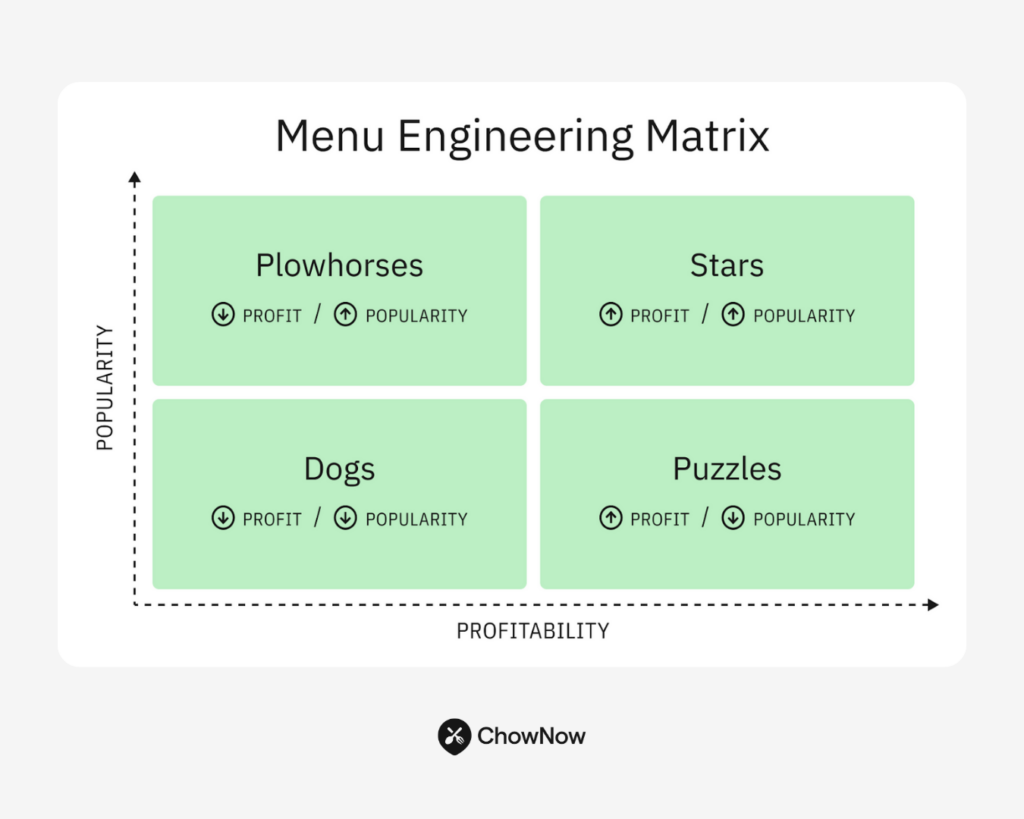
Apply menu engineering tactics
This is where the menu engineering process comes in. Breaking dishes into categories like:
- Star items (high profit, high popularity)
- Plow horses ((low profit, high popularity)
- Puzzles (high profitability, low popularity)
- Dogs (Low profitability, low popularity)
—gives you a framework for making strategic decisions. Instead of guessing, you can adjust menu prices, reposition dishes on the menu, and either rework or retire underperforming items with confidence.
Done well, these tactics don’t just improve profitability—they can also lift your Average Order Volume (AOV) by encouraging guests to add sides and upgrades that round out the order.
Watch for seasonal shifts
Performance changes over time. Tracking seasonal performance shows how customer preferences shift throughout the year, so you’re not caught off guard when sales patterns change. Using these insights, you can test new menu items, anticipate future shifts, and keep your offerings fresh without losing sight of profitability.
Rethink Menu Design and Layout
Once you know what’s working and what isn’t, the next step is making sure your menu layout guides guests toward the right choices. The way a menu looks and reads has a direct impact on what diners order and how much they spend.
Use menu psychology to influence customer choices
Smart menu design taps into proven patterns of customer behaviour. For example, when guests look at a menu, they don’t read every line—they scan.
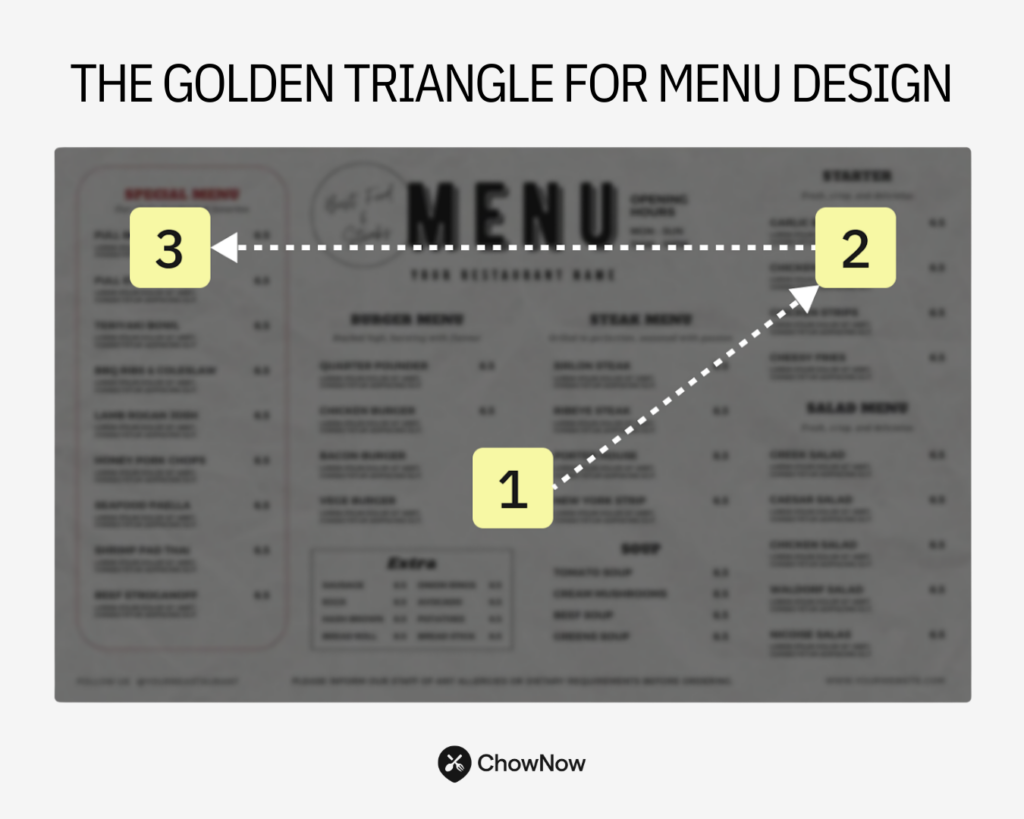
That’s when you can use a technique like the “golden triangle”—a concept from menu psychology that maps where diners’ eyes naturally go first when they open a menu.
The three high attention spots are:
- Center of the page: Where the eye tends to land initially
- Top right corner: Often the next place diners look
- Top left corner: Typically the third point of focus
Strategic placement of your best-performing menu items in these areas greatly increases the likelihood that they’ll order these dishes and boost your menu profitability.
Highlight what you want to sell
Grouping and spotlighting profitable items makes them stand out, while minimizing emphasis on low-performing dishes keeps them from dominating orders.
Use design elements like boxes or section headers to help guests easily identify the dishes that bring in higher margins without feeling like you’re being pushy.
Keep true to your restaurant’s brand
Consistency with your restaurant’s brand builds trust and reinforces the dining experience. Clean design elements, legible fonts, and a clear structure make your menu visually appealing while staying true to your identity.
Whether your concept is casual, fine dining, or delivery-focused, aligning your menu design with the overall brand ensures a smoother guest experience.
Update Descriptions To Sell More

Once you have your most profitable menu items in the right places, it’s time to create your menu descriptions. The right words can spark appetite and guide customer choices in subtle but powerful ways.
Write descriptions that drive orders
Flat descriptions won’t maximize profits. Using vivid, descriptive language makes dishes come alive. For example, “slow-braised short ribs with garlic mashed potatoes” will perform significantly better than “short rib with potatoes.”
If you help your customers imagine what it’s like tucking into your menu items, you’ll see an increase in profit margins.
Adapt tone for online vs. print
Not every channel calls for the same approach. A printed restaurant menu has space to tell a story, while a digital menu on your online ordering system or restaurant website should be concise and scannable.
Online, clarity is key—clear dish names, easy-to-read menu prices, and high-quality photos help your target audience order with confidence.
With physical menus, there’s more room for highlighting sources, preparations, and unique flavors that help tell the dish’s story and make it more enticing to diners.
Use sensory words to boost appeal
Taste, smell, and texture sell. Lean into sensory details, like:
- Crispy
- Tender
- Smoky
- Creamy
- Refreshing
- Crunchy
These types of words trigger cravings and make dishes more visually appealing in a diner’s imagination.
When paired with strong design elements and thoughtful menu layout, these words not only entice but also improve customer satisfaction by setting the right expectations.
Cut Waste Without Sacrificing Quality
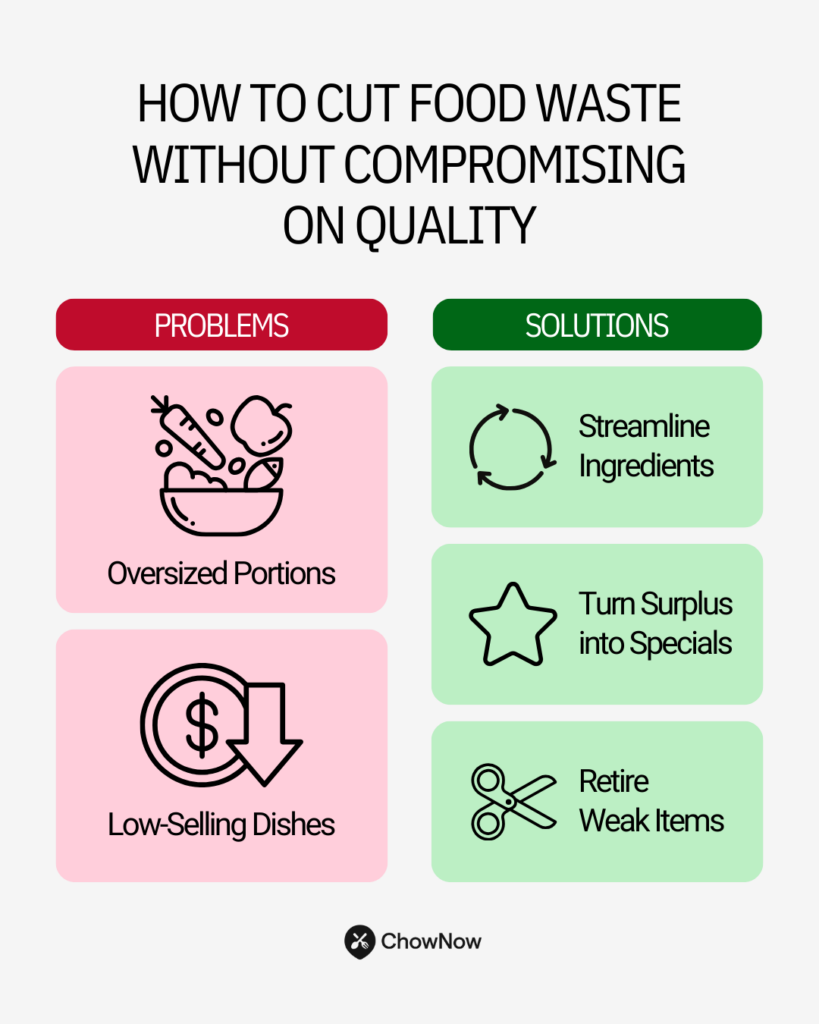
Waste is one of the biggest silent profit killers in the restaurant industry and typically comes in two forms:
- Oversized portions that guests can’t finish and end up in the trash
- Dishes that don’t sell, leaving product sitting on the line till it spoils
Both chip away at margins in different ways, but the result is the same: money lost that could have been avoided.
Streamline ingredients across dishes
Look for ways to build multiple dishes around the same core ingredients. This keeps purchasing tight, reduces spoilage, and makes prep easier for your kitchen team.
A single base ingredient, like grilled chicken or roasted potatoes, can anchor several offerings without diners feeling like they’re ordering the same thing twice.
Retire what isn’t working
Sometimes the toughest call is also the smartest one: letting go of low-performing dishes. If an item rarely sells or requires specialty ingredients that end up in the trash, it’s better to phase it out.
Regular menu reviews make it easier to spot these weak links before they cause ongoing losses.
Turn surplus into specials
Sometimes you just end up with extra product. Rather than letting it go to waste, get creative.
Daily or weekly specials are a smart way to use surplus while also keeping your menu exciting. Guests love the chance to try something unique, and your bottom line benefits.
Optimize Your Online Menu
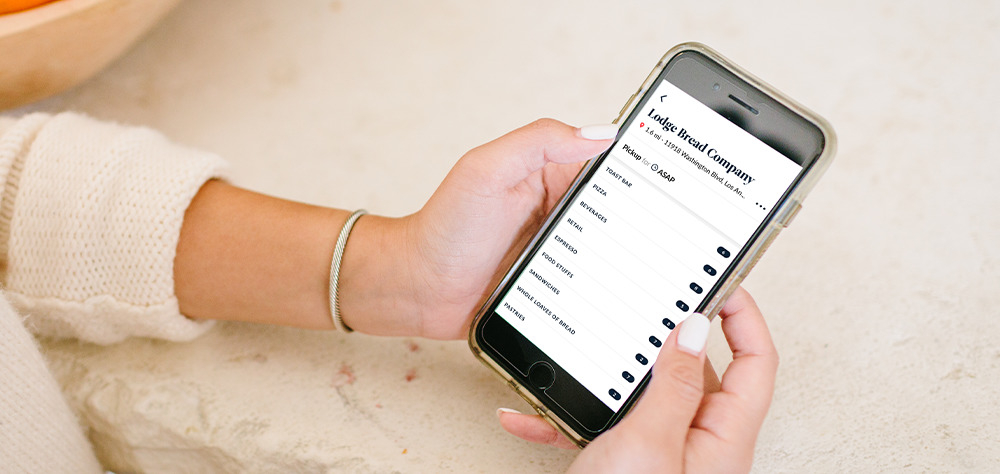
While your physical and digital menus have the same menu items, the approach to how you optimize them will be different.
Your online menu needs to be built for speed, clarity, and convenience because most diners will be scrolling on their phones and won’t give it the same attention they would while sitting at a table.
Here are a few ways to improve your online menu:
Keep it simple and organized
A cluttered digital menu kills conversions. Menu categories should be clear, items should be easy to scan, and pricing should be transparent.
Think of it as guiding a diner who’s in a hurry—if they can’t get a firm grasp of what they’re looking at in a few seconds, they may bounce to a third-party app instead.
Use high-quality photos
We briefly mentioned it earlier, but pairing menu items with high-quality photos helps customers build trust and order exactly what they want quickly. Even one or two images per category can make a big difference in how people order.
Make mobile-first menus your priority
75% of online orders happen on phones. That means your digital menu needs to be mobile-friendly, fast-loading, and easy to update.
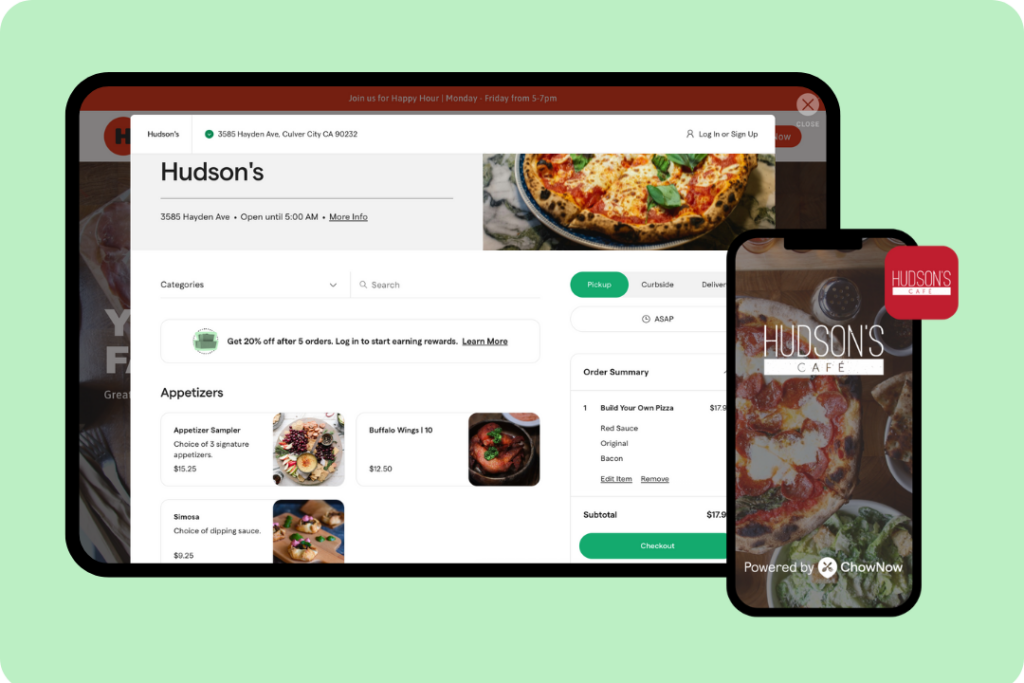
Branded mobile apps take this a step further by giving guests a direct line to your restaurant without distractions from competitors. An app keeps your menu front and center, makes reordering seamless, and builds loyalty over time.
Make Menu Optimization Part of Your Routine
Menus aren’t a set-and-forget situation; they need regular attention to stay profitable and relevant. By reviewing performance data, testing small changes, and keeping an eye on diner trends, you’ll ensure your menu keeps working as hard as you do.
Contact ChowNow to learn how Direct Online Ordering can help you showcase your most profitable dishes and drive more commission-free sales.
Menu Optimization Frequently Asked Questions
How do I optimize my menu?
To optimize your menu, start by analyzing your restaurant’s sales data to see which dishes are most profitable and which ones underperform. Focus on keeping high-margin items visible and easy to find, while adjusting or removing dishes that create waste or don’t sell. Update menu descriptions with clear, appetizing language, and use smart layout tactics so diners are naturally guided toward the items that improve profitability and customer satisfaction.
How do I optimize my menu for increased sales?
To optimize your menu for increased sales, highlight your most profitable and popular dishes in the spots where guests naturally look first. Use clear, appetizing descriptions and photos that make those items more appealing, and adjust pricing so they deliver strong margins without creating sticker shock. Reviewing sales data regularly helps you identify trends and update your menu so it keeps encouraging guests to order more, try new items, and return for repeat visits.
What’s the difference between optimizing a physical menu and a digital one?
Physical menus rely more on layout, spacing, and descriptive copy, while digital menus need to be mobile-friendly, scannable, and often enhanced with photos. Both should feel consistent with your brand, but digital menus demand quicker navigation and regular updates.
How often should a restaurant update its menu?
At minimum, review your menu seasonally. But anytime sales data shows a dish isn’t performing—or diner preferences are shifting—it’s worth making changes sooner.
What are high-margin items, and how do I identify them?
High-margin items are dishes that cost relatively little to produce but can be sold at a strong profit. To identify them, calculate the contribution margin of each item by comparing food cost to selling price.
How do I know if a menu item is causing waste?
Look for ingredients that spoil before they’re used, dishes that rarely sell, or items that slow down prep because of unique components. Your inventory system and sales reports are the best tools to spot and eliminate these waste drivers.