Top Restaurant Technology Trends Every Operator Should Know in 2026
There are a lot of restaurant technology tools in 2026, and it can be tempting to incorporate the latest and most exciting emerging technologies, but adding more restaurant tech doesn’t automatically mean better operations, higher sales, or happier customers.
It’s about choosing systems that reduce friction, protect margins, and help you stay competitive when labor is tight and your guest expectations are high.
For most restaurant operators, the biggest challenge isn’t access to restaurant technology; it’s figuring out what’s worth paying for and what will genuinely improve restaurant operations.
In this guide, we’re going to break down the most effective restaurant technology trends of 2026 and give you clear explanations of what each tool does, why it matters, and where it fits operationally so you can make the most informed decisions about what’s best for your restaurant.
What You’ll Learn
- An overview of the top restaurant technology trends in 2026
- Operator-focused breakdowns of what each tool is and why it matters
- Clear guidance on how to evaluate and adopt new tech without wasting time or money
- Common mistakes you should avoid when choosing new tools for your restaurant
Restaurant Technology Trends At A Glance
Before diving into each trend, it helps to step back and look at how these tools fit together.
The table below provides a quick snapshot of the top restaurant technology trends, including what each tool does, why it matters, and where it typically shows up in day-to-day operations.
This makes it easier to spot gaps, overlaps, or opportunities before investing in new technology tools.
The 7 Most Important Restaurant Tech Trends in 2026
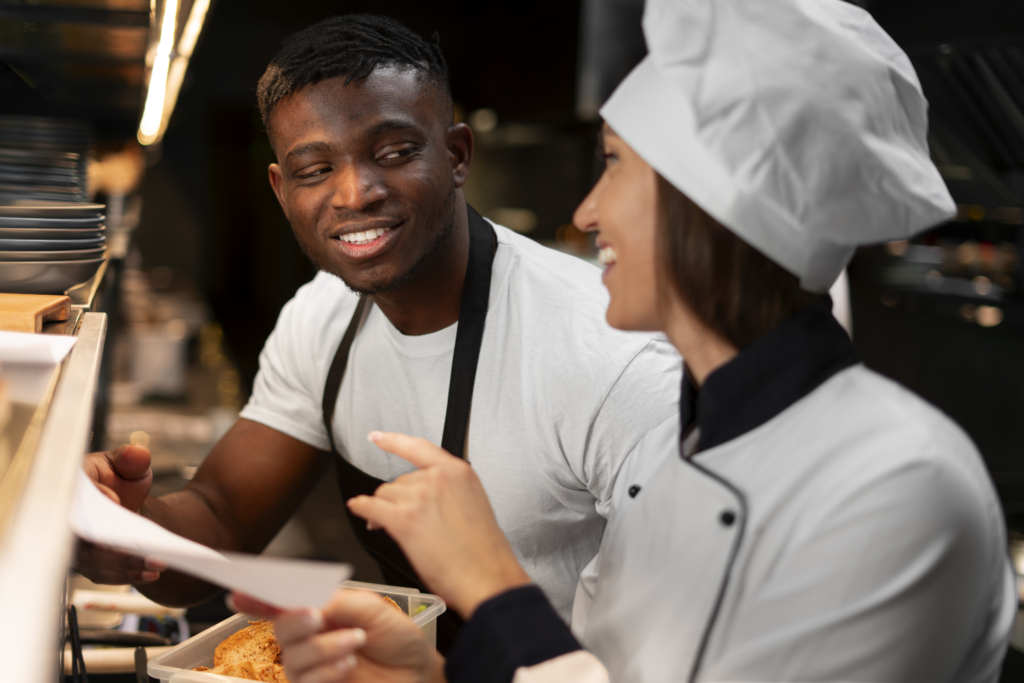
Not every piece of restaurant tech is worth your time or money. The trends below focus on tools that actually make life easier: cutting friction, protecting margins, and helping your team move faster without needing a complete overhaul of your current operations.
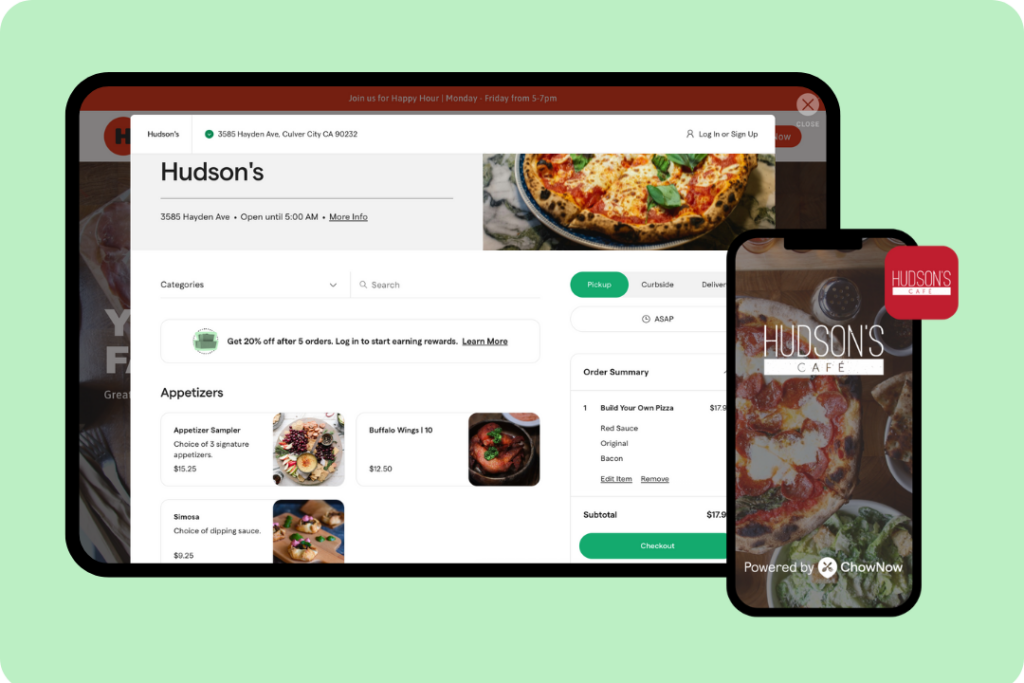
Direct Online Ordering Platforms
Overview: Keep more revenue and own the guest relationship with direct ordering.
If you’re still reliant on third-party marketplaces to offer takeout and reach new customers, this is one of the most important restaurant technology trends to get right.
Direct online ordering platforms let you take orders through your own website or app, so you keep more of each sale and own the relationship with your guests.
Why operators are prioritizing this in 2026:
- Protects margins by reducing commission fees on takeout and delivery orders
- Gives you access to customer data from direct website and app orders that you can actually use
- Creates a foundation for stronger customer relationships, customer loyalty, and repeat orders
For most restaurant owners, this isn’t about replacing third parties entirely—it’s about using restaurant technology to regain control of pricing, guest data, and repeat ordering.
Order Aggregation Systems
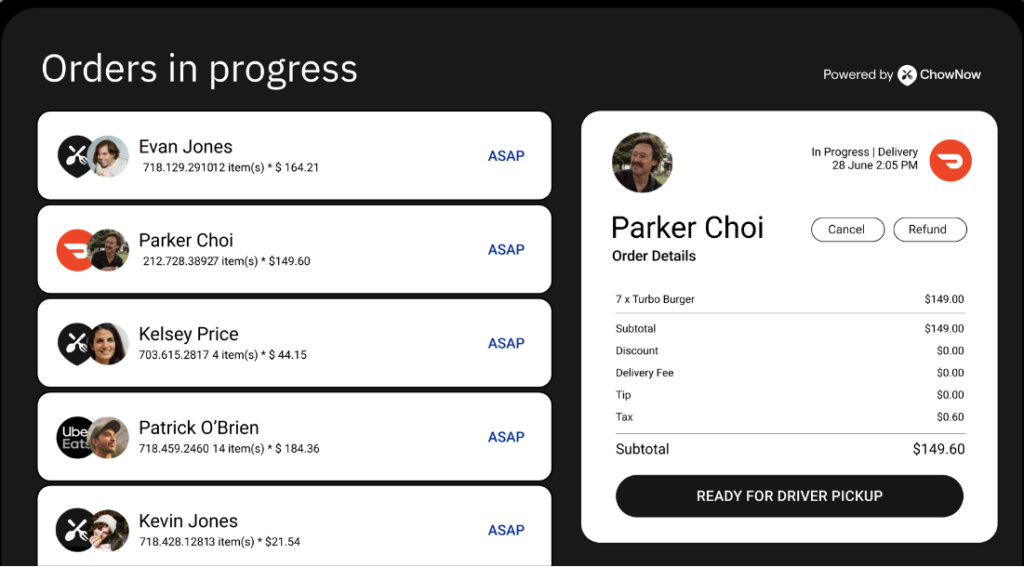
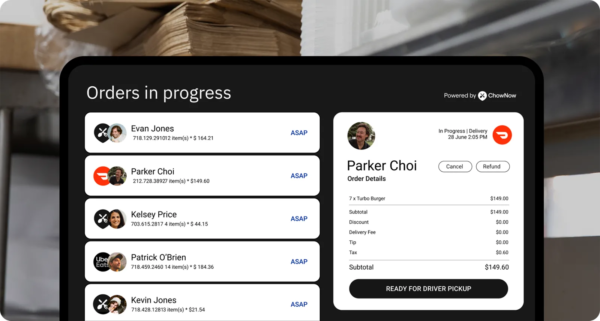
Overview: Consolidate all first and third-party orders into one screen to streamline fulfillment and ditch tablet chaos.
Running multiple tablets for third-party platforms creates delays, mistakes, and frustrated staff. Order aggregation systems pull all incoming delivery and pickup orders into one dashboard, so your team isn’t jumping between screens during a rush.
In 2026, more restaurants are using these tools to cut down on human error, speed up service, and reduce labor costs in the kitchen and at the expo station.
Why operators use it:
- Eliminate tablet clutter and simplify order flow
- Reduce missed or delayed orders during peak hours
- Syncs with your POS system for better kitchen coordination
Loyalty & Guest Retention Software
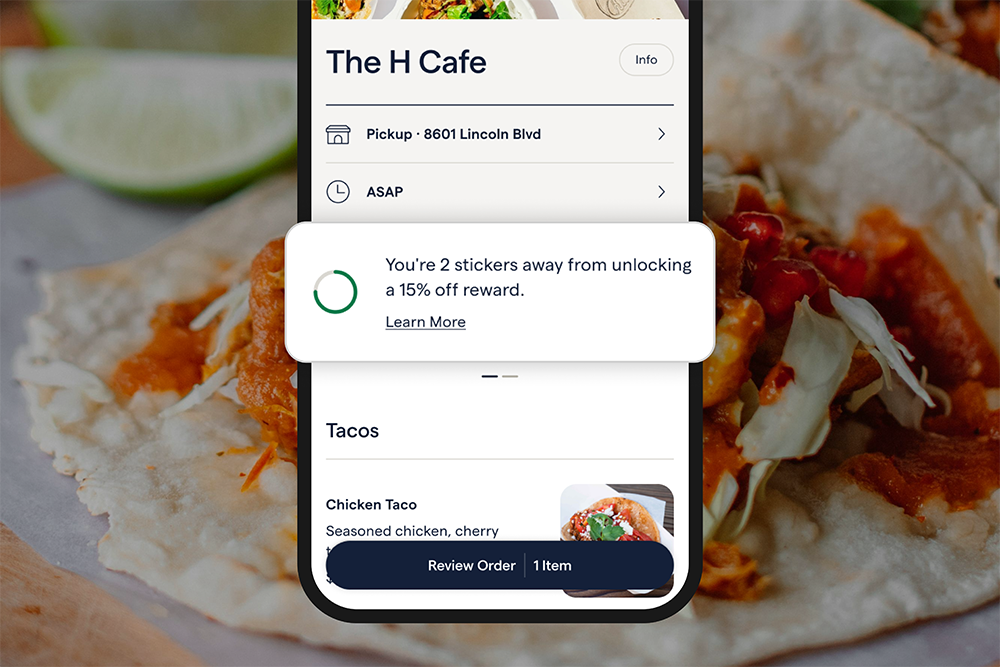
Overview: Use automated rewards to keep guests coming back without lifting a finger.
Loyalty tools work best when they’re tied directly to how guests already order and pay. Instead of physical punch cards or blanket discounts, modern loyalty programs reward guests based on how often they order, automatically triggering rewards that motivate customers to come back.
Why restaurant owners use it:
- Encourages direct ordering instead of third-party reorders
- Increases visit frequency without cutting margins
- Strengthens customer loyalty and long-term customer relationships
For restaurant operators, this is one of the most reliable ways to grow revenue without increasing customer acquisition costs. With 65% of revenue coming from repeat orders of existing customers, loyalty programs are something no operator can afford to ignore.
Menu Management Solutions
Overview: Make one menu change and instantly update prices and items across all ordering platforms.
Menu management tools fix a common and expensive problem: mismatched menus across your in-store, online, and delivery channels. With centralized menu management, you can update menu items, pricing, and availability once and push changes everywhere instantly.
Where this helps day to day:
- Prevents ordering errors caused by outdated listings
- Supports fast updates during peak hours
- Reduces staff time spent manually editing menus
Menu management solutions protect margins, improve accuracy, and keep the ordering process consistent across every channel.
Unified Reporting Dashboards
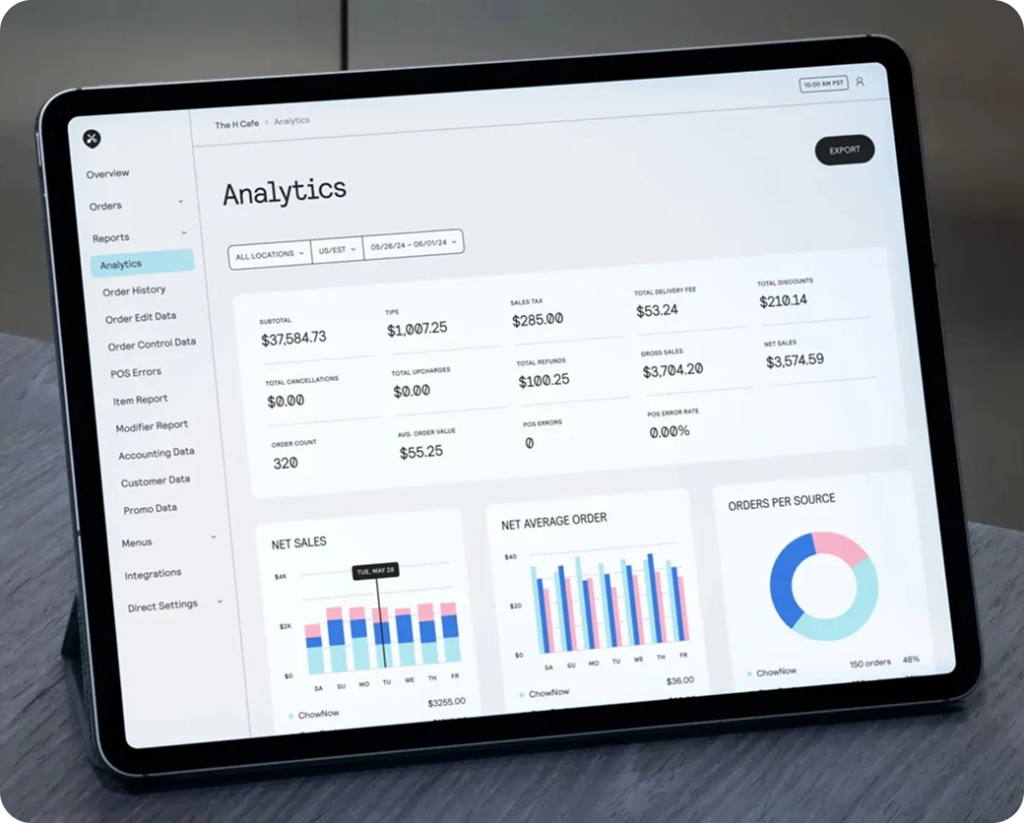
Overview: See your entire business performance without bouncing between a multitude of platforms.
Unified reporting dashboards are designed to bring key sales and performance data together so you can understand the full picture of your business. These advanced reporting tools pull in data from all your online ordering platforms to reduce blind spots.
Where this helps most:
- Makes it easier to track sales across all of your online ordering channels
- Highlights trends that impact financial performance
- Supports faster, more confident, data-driven decisions
The goal isn’t to replace your POS system. It’s to help you see what’s happening across your restaurant more clearly, so you can make better decisions.
Review Management Tools
Overview: Stay on top of guest feedback and respond quickly to protect your restaurant’s reputation.
In 2026, a single bad review can cost you dozens of potential customers. Review management tools help you track and respond to reviews from Google, Yelp, delivery apps, and more—all in one place.
Operators are using them to resolve issues quickly, boost ratings, and turn customer feedback into actionable improvements to their operations.
Why restaurant owners use it:
- Monitor all reviews from one dashboard
- Respond quickly to protect your reputation and improve customer satisfaction
- Spot recurring issues in service, food quality, or operations
Mobile Ordering Technology
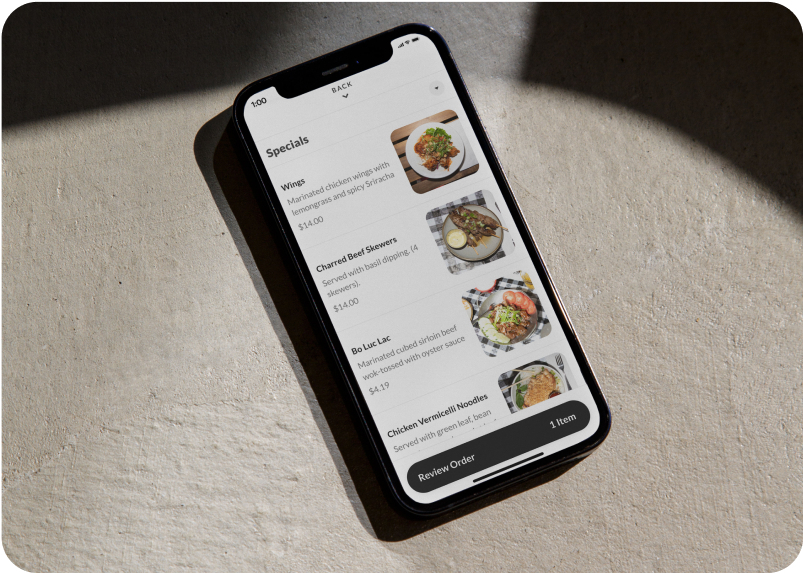
Overview: Offer faster, more convenient ordering without relying on third-party apps.
Mobile ordering removes friction at the moment guests decide whether to order or move on. A fast, mobile-first ordering process lets guests browse menu items, customize orders, and pay digitally from their phone—whether they’re ordering for pickup or delivery.
How mobile ordering helps your day-to-day:
- Supports faster service and smoother handoffs across pickup, dine-in, and delivery during peak hours
- Improves the overall customer experience by reducing ordering friction on any channel
- Enables contactless payments like Apple Pay and Google Pay across mobile orders
How To Evaluate Restaurant Technology Before You Buy

Before comparing features or pricing, it’s worth slowing down and asking yourself: Will this tool actually improve my operation, or will it just add more work and complexity to my operations?
Here is the best way to answer this question.
Start by naming the exact problem you’re trying to solve
Most bad tech decisions happen when software is purchased before the problem is clearly defined.
Be specific about what isn’t working—order errors during rushes, labor inefficiencies, low repeat visits, or lack of visibility into performance.
Make sure the tool fits into how you already operate
Good technology should adapt to your workflow, not force your team to relearn their jobs. Look for tools that integrate cleanly with your existing systems and don’t require duplicate data entry, constant workarounds, or heavy training just to function during service.
Common Restaurant Technology Mistakes To Avoid
Even the best tech in the world will cause you problems if it’s rolled out without a plan in place. Avoid these mistakes to save yourself frustration, wasted money, and tools that never get fully used.
Buying software without a clear owner
This means setting up a point person on your team who’s responsible for its setup, training, and ongoing use.
For your new tech tool to reach its full potential, you need an in-house expert whom staff can turn to for troubleshooting issues and guidance when required.
Choosing features over usability
Powerful tools don’t matter if they’re confusing or slow during a rush. If staff avoid using a system or managers don’t trust the data, the technology is working against you, not for you.
The Best Tech Decisions Start With Clear Problems, Not Features
The best technology decisions start by identifying the exact problem you’re trying to fix, not by getting distracted by feature lists or buzzwords. When tech is chosen to solve real operational issues, it’s far more likely to improve margins, reduce friction, and actually get used by your team.
Contact ChowNow to see how commission-free online ordering, automated marketing, and loyalty tools can help you grow direct sales and protect your margins.
Restaurant Technology Trends Frequently Asked Questions
What are the top restaurant technology trends right now?
The most impactful restaurant technology trends focus on simplifying operations and protecting margins. That includes direct online ordering, order aggregation, loyalty and retention tools, centralized reporting, and mobile ordering. The common thread is fewer disconnected tools and more systems that work together to reduce manual work and improve visibility.
What restaurant tech trends should operators watch heading into 2026?
Operators should watch for technologies that improve automation, reduce third-party dependence, and streamline operations—like centralized menu management, automated email marketing, and rewards programs. Tools that integrate cleanly with your POS and help build direct guest relationships are especially important going forward.
What technology should a small restaurant invest in first?
A small restaurant should start with a direct online ordering platform and a branded restaurant website. These tools are low-lift to implement, protect your margins, and give you control over your digital presence and guest experience without relying on third-party apps.