2026 Restaurant Marketing Guide: Free & Paid Strategies for Owners & Operators
This guide will teach you everything you need to know about getting started with restaurant marketing in 2026.
By the time you finish this article, you’ll know how to approach restaurant marketing the right way and not waste time doing guesswork, crossing your fingers, and then hoping you see new customers walking through the door.
We’ll show you how to leverage:
- Your local restaurant scene
- Your restaurant’s brand
- Your digital assets
- The community around you
Then, reveal how to measure your marketing efforts so you can continuously refine your strategy and strengthen your connection with customers.
4 Reasons Why You Can’t Ignore Restaurant Marketing in 2026
In 2026, restaurants that don’t invest in digital marketing risk being invisible to diners searching online. The industry is evolving fast, and the restaurant business as a whole is facing new challenges that demand fresh, innovative approaches. Simply relying on word-of-mouth or hoping foot traffic picks up isn’t going to cut it.
Customers have more choices, higher expectations, and endless ways to discover—or scroll right past—your restaurant. That’s why restaurant marketers need a smart, intentional plan to stay visible, competitive, and top-of-mind.
It’s not just about posting more. It’s about promoting with purpose, running campaigns that actually drive orders, and spending your budget where it counts.
Here are four big reasons why adapting now isn’t optional, it’s how you win in 2026.

1. You’re invisible in an overcrowded market
The restaurant industry is more crowded than ever. New concepts, ghost kitchens, and delivery-only brands are popping up constantly, making it harder for any single restaurant to stand out.
Whether you’re an independent operator or part of a small chain, visibility is everything. Restaurant owners must leverage effective marketing strategies to ensure their business stands out in a highly competitive environment. Without effective marketing, your restaurant risks not appearing in relevant search results, making it even harder to stand out in a sea of options.
Smart branding, digital marketing, and local engagement aren’t just extras—they’re survival tools. Establishing and maintaining a clear and consistent brand’s identity is essential to help your restaurant stand out and build customer loyalty.

2. Consumer behavior is constantly evolving.
Diners don’t choose restaurants the way they used to. These days, decisions are made on Google, in review feeds, and while scrolling social media. If your restaurant isn’t showing up in those spaces, you’re invisible to a big chunk of potential customers.
In fact, 90% of consumers research a restaurant online before dining and 77% visit a restaurant’s website before deciding where to dine. That means your online presence isn’t just nice to have, it’s make or break.
If you’re not ranking in local searches, keeping your reviews strong, or engaging on platforms like Instagram and TikTok, you’re leaving money on the table. Local searches make up a huge share of restaurant-related searches, so optimizing for local SEO is critical.
Sure, print ads and flyers still have their place, but the shift to digital has changed the game. Online visibility is now the foundation of restaurant success. The right marketing strategy, built for today’s digital tools and platforms, can put you in front of the diners you want most.
Today’s customers expect convenience, transparency, and a connection to the brands they support and it all starts with how you market your restaurant online.

3. Everything is getting more expensive.
Everything from food to labor is getting more expensive, which means restaurant margins are tighter than ever. The right restaurant marketing strategies will help you get the most out of every dollar by increasing customer retention, boosting order volume, and encouraging repeat visits. Running different marketing campaigns also allows you to test what works best and allocate your budget more effectively.
Rising costs also mean you need to get the most out of every dollar spent. Setting and managing a marketing budget is crucial to ensure your resources are allocated effectively and your campaigns deliver the highest possible return on investment.
Whether it’s a loyalty program, strategic promotions, or email marketing campaigns, great marketing isn’t just about attracting new customers, it’s about keeping the ones you already have coming back.
4. We now live in a digital-first world.
Your online presence isn’t just part of your restaurant—it is your restaurant for many potential customers.
Most guests interact with you online first, whether booking a table, browsing the menu, or placing an order. And with most of them on mobile, your website and ordering experience need to be optimized for small screens.

Social media also plays a huge role. Consistent engagement on platforms like Instagram, TikTok, and Facebook builds relationships, keeps your restaurant top-of-mind, and drives traffic both online and in person. Pair that with digital advertising on Google or Facebook, and you can target the exact audience you want to reach efficiently and effectively.
A strong online presence leads to more visibility, more orders, and ultimately, more revenue. If your restaurant isn’t keeping up with the digital age, you’re leaving the door wide open for competitors to win your customers.
Now, let’s look at the very first step in launching any restaurant marketing campaign—knowing your market inside and out.
1. Understanding Your Market

Before you spend a dime on marketing, you’ve got to know exactly who you’re talking to. Every restaurant has its own unique mix of customers, and the better you understand them, the better your marketing will land.
It starts with knowing three things: your audience, your competition, and the trends shaping the industry.
First, identify your target audience.
Not every diner is your ideal customer, and trying to market to everyone will come across like you’re marketing to no one. Instead, focus on defining your core audience by looking at:
- Demographics: Who’s walking through your doors? What’s their age, income, and location? A brunch spot near campus attracts a different crowd than a downtown steakhouse.
- Motivations: Why do they choose you? Quick bites? Special occasions? Family nights?
- Dining habits: Do they order takeout every Friday? Treat themselves to a nice dinner once a month? Stick to a certain price range?
When you know your people, you can shape your branding, social content, and promos so they hit home.
Study your competition.
Even if your food is incredible, you’re not operating in a vacuum. Other restaurants are competing for the same customers, and understanding their strengths and weaknesses can help you carve out your own niche.
- Conduct a competitive analysis: Identify the restaurants in your area that serve a similar audience. Look at their pricing, menu offerings, branding, and customer reviews, and check competitors’ presence and reputation on major platforms like Google, Yelp, and TripAdvisor.
- Find market gaps: Are there underserved needs in your community? Maybe there’s no great late-night option, or the local delivery scene is missing high-quality comfort food. Spotting these opportunities can help you position your restaurant more effectively.
Researching your competitors isn’t about copying, it’s about finding ways to differentiate yourself and take advantage of unmet customer needs.
Be aware of market trends.
Consumer preferences are always evolving, and restaurants that fail to adapt risk falling behind. Staying on top of industry trends can help you make informed marketing decisions.
- Current trends in the restaurant industry: Whether it’s the rise of plant-based options, AI-powered ordering, or hyper-local sourcing, knowing what’s trending can help you stay relevant. Many restaurants are also choosing to promote sustainability as part of their brand.
- Adapting to changing consumer behaviors: If diners are increasingly looking for healthier options or prioritizing convenience through delivery, adjusting your marketing and menu offerings can keep you ahead of the curve.
Restaurants that really “get” their market build marketing strategies that feel natural because they’re built around what customers actually want.
2. Building a Strong Brand Identity
A brand identity is your restaurant’s personality—how you look, sound, and make people feel. It includes your logo, colors, menu design, voice, story, and the overall vibe guests get whether they’re sitting at your tables, scrolling your Instagram, or ordering online. A strong brand identity makes you memorable and instantly recognizable.
Crafting Your Brand Story

There’s a great book called Start With Why that drives home the point that inspiring people to take action starts with sharing your purpose.
Why do you do what you do?
The same applies to restaurants—every great restaurant has a story, and that story is what makes you stand out. It’s not just about what you serve—it’s about why you serve it.
- Define Your Mission and Values: What’s the heart of your restaurant? Are you all about sustainable sourcing? Do you focus on comfort food that feels like home? Are you committed to affordable, high-quality meals for busy families? Your mission might also include efforts to promote sustainability, which can resonate with eco-conscious diners. Defining your mission gives your brand a purpose beyond just making great food.
- Create a Compelling Narrative: Your brand story should be engaging, authentic, and easy to remember. Maybe your restaurant was inspired by your grandmother’s recipes, or maybe you started with a food truck and grew into a brick-and-mortar location.
Whatever your story is, share it through your website, menu descriptions, and social media to build a stronger emotional connection with your audience.
Visual Branding
Your restaurant’s visual identity is the first impression customers get, and it needs to be strong, consistent, and reflect your brand’s personality.
- Logo Design and Color Schemes: A great logo is simple, memorable, and aligned with your brand’s vibe. Your color scheme should complement your concept. For example, bold reds and yellows for a lively fast-casual spot, soft pastels for a relaxed café, or sleek black and gold for an upscale dining experience.
- Consistency Across All Platforms: Your social media, signage, and menus should all have a cohesive look. Fonts, colors, and imagery should stay consistent so customers recognize your brand instantly, whether they’re scrolling through Instagram or walking by your restaurant.
- Extend Your Brand to Your Online Ordering Experience: A strong brand doesn’t stop at your physical location. Your online presence should be just as polished and seamless as your in-house experience.
With a ChowNow branded app or website, you can maintain your restaurant’s identity across your digital ordering platform, reinforcing your brand every time a customer places an order. Make sure your menu online also matches your visual branding for a cohesive customer experience.
Developing Your Brand Voice
Your brand voice is how your restaurant “speaks” to customers across all platforms—your website, social media, marketing materials, and even your in-store signage. A relatable, consistent voice makes your messaging more engaging and helps create a deeper emotional connection with your audience. Your brand identity is more than just your brand colors; it represents your business’s personality and the emotions you want to inspire in your customers.
- Find Your Tone: Are you warm and welcoming, or bold and adventurous? A casual brunch spot might use a fun, lighthearted tone, while a high-end restaurant might opt for something more refined and elegant.
- Match Your Audience: Your voice should resonate with your customers. If you cater to young, social-media-savvy diners, your messaging might be playful and trendy. If you serve an older, more traditional audience, a polished and professional tone might be more effective.
- Be Consistent: Whether you’re writing a social media caption or a response to a review, your tone and language should feel like they’re coming from the same brand. Maintaining a consistent brand voice is especially important when running personalized marketing campaigns, as it ensures authenticity and strengthens customer trust.
To learn more about restaurant branding, check out our article, Restaurant Branding 101, to get started.
3. Digital Marketing Strategies
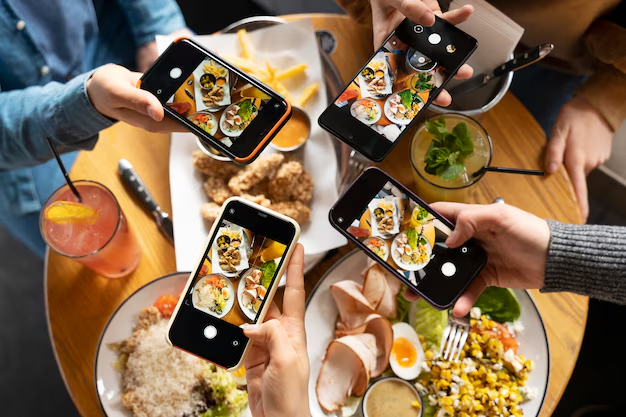
Your customers are searching for restaurants, scrolling through social media, checking their email, and browsing the web daily. Your restaurant needs to be there to catch their attention, remind them of your brand, get them to place an order, or make a visit. Digital marketing strategies are designed to drive brand awareness and attract new customers.
Below are some of the best restaurant marketing ideas for promoting your restaurant online.
Optimize your website.
Your website is your restaurant’s digital storefront. If it’s clunky, outdated, or difficult to navigate, you’re losing customers before they even walk through the doors.
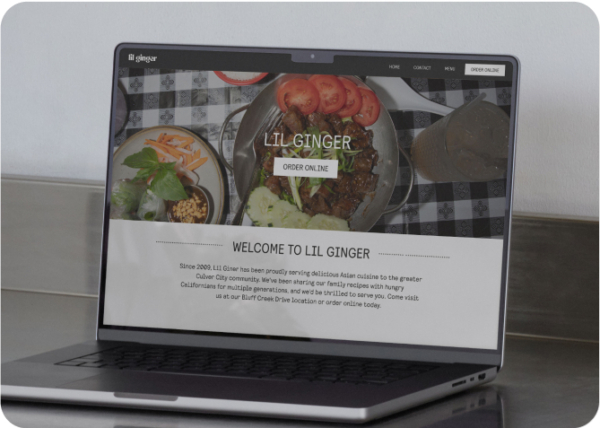
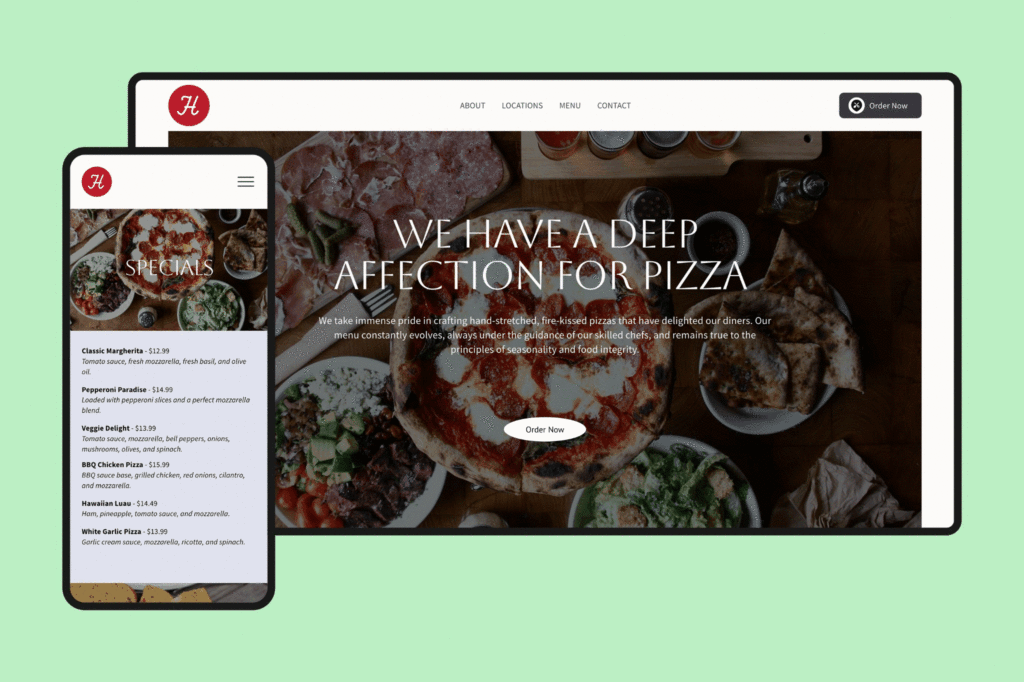
- Make It User-Friendly: A good restaurant website should be easy to navigate, mobile-friendly, and fast. Visitors should be able to find your menu, hours, location, and ordering options within seconds. Maintaining an up-to-date online menu is essential to attract and inform customers.
- SEO Best Practices for Restaurants: Search engine optimization (SEO) helps your restaurant show up in top online search results, displaying your website to more customers. Optimize your site by using relevant keywords (e.g., “best Italian restaurant in [your city]”), adding location-specific pages, and keeping your menu updated.
- Integrate Online Ordering: Customers expect seamless online ordering. A ChowNow-branded ordering system lets you take commission-free orders directly from your website, keeping your branding front and center.
Get the most out of social media
Social media isn’t just about posting food photos, it’s about creating a community and engaging with potential customers where they already spend their time. High-quality food photography is essential for online restaurant marketing, as visually appealing images can capture attention and entice diners to visit your restaurant.
- Choose the Right Platforms: Not every platform is right for every restaurant. Instagram and TikTok are great for visually appealing dishes and behind-the-scenes content, while Facebook is useful for updates, events, and engaging with local communities. Maintaining an active Facebook page is crucial, as it serves as a central platform for community building, customer engagement, and marketing.
- Content Strategies That Work: Mix up your content with high-quality food photos, short-form videos (stories, reels, TikToks), customer testimonials, and interactive polls or Q&As. Show your restaurant’s personality, team, and daily specials to keep your audience engaged.
- Leverage User-Generated Content: Encourage guests to tag your restaurant in their photos and reviews. Reposting customer content creates a connection and acts as free marketing for your brand.
Automate email marketing for fast results
Email marketing is one of the most cost-effective ways to stay in touch with customers and drive repeat business. A restaurant’s newsletter can be sent at different frequencies, such as weekly or monthly, depending on your audience’s preferences and the type of content you want to share.
- Build and Segment Your Email List: Collect emails from customers who order online, make reservations, or join your rewards program. Segment your list by customer type (first-time visitors, regulars, VIPs) to send more relevant promotions. Email marketing is easier to start with an Email Service Provider (ESP) that helps build email lists and send emails.
- Craft Compelling Newsletters and Promotions: Keep your emails short, engaging, and valuable. Share upcoming specials, exclusive discounts, or behind-the-scenes stories about your restaurant. Consider including customer stories in your newsletters to showcase authentic experiences and build community engagement. Email marketing generates the highest return on investment of any marketing channel at $38 for every $1 spent, making it an essential strategy for driving repeat business. Additionally, 59% of people say that marketing emails influence their purchase decisions, highlighting the importance of a strong email strategy.
- Personalization and Automation – Automated emails, like bring back emails, order confirmations, and follow-ups after a visit, make customers feel valued while keeping them engaged. ChowNow’s automated email marketing helps you send personalized promotions to past customers, reminding them to reorder, highlighting special deals, and keeping your restaurant top of mind—without extra effort on your part.
SMS marketing can also be used alongside email marketing to reach customers with timely promotions and updates, offering high open rates and real-time engagement to help build customer loyalty.

Reach a wider audience with online advertising.
Paid digital ads help you reach new customers and stay top-of-mind for past visitors.
- Pay-Per-Click (PPC) Campaigns: Google Ads can place your restaurant at the top of search results when people look for places to eat in your area.
- Social Media Ads: Facebook, Instagram, and TikTok ads allow you to target specific audiences based on location, interests, and dining habits.
- Retargeting Strategies: If someone visits your website but doesn’t place an order, retargeting ads can remind them about your restaurant, nudging them to come back and order. These ads are specifically designed to engage customers who have previously interacted with your restaurant.
Digital marketing is the backbone of your restaurant’s growth because you need to meet customers where they already are: online.
Place strategies in each of these online locations and you’ll see a significant increase in growth and customer engagement.
4. Local SEO and Online Presence
Most customers find restaurants online before ever stepping through the door. With 62% of restaurant customers jumping on Google before deciding where they are going to eat, your restaurant’s online presence plays a huge role in attracting new diners. For a local restaurant, local SEO is especially crucial to attract nearby diners searching for places to eat in the area.
Local SEO ensures that your restaurant appears in search results when people are looking for places to eat in your area, while strong online reputation management helps you turn those searches into reservations and orders.
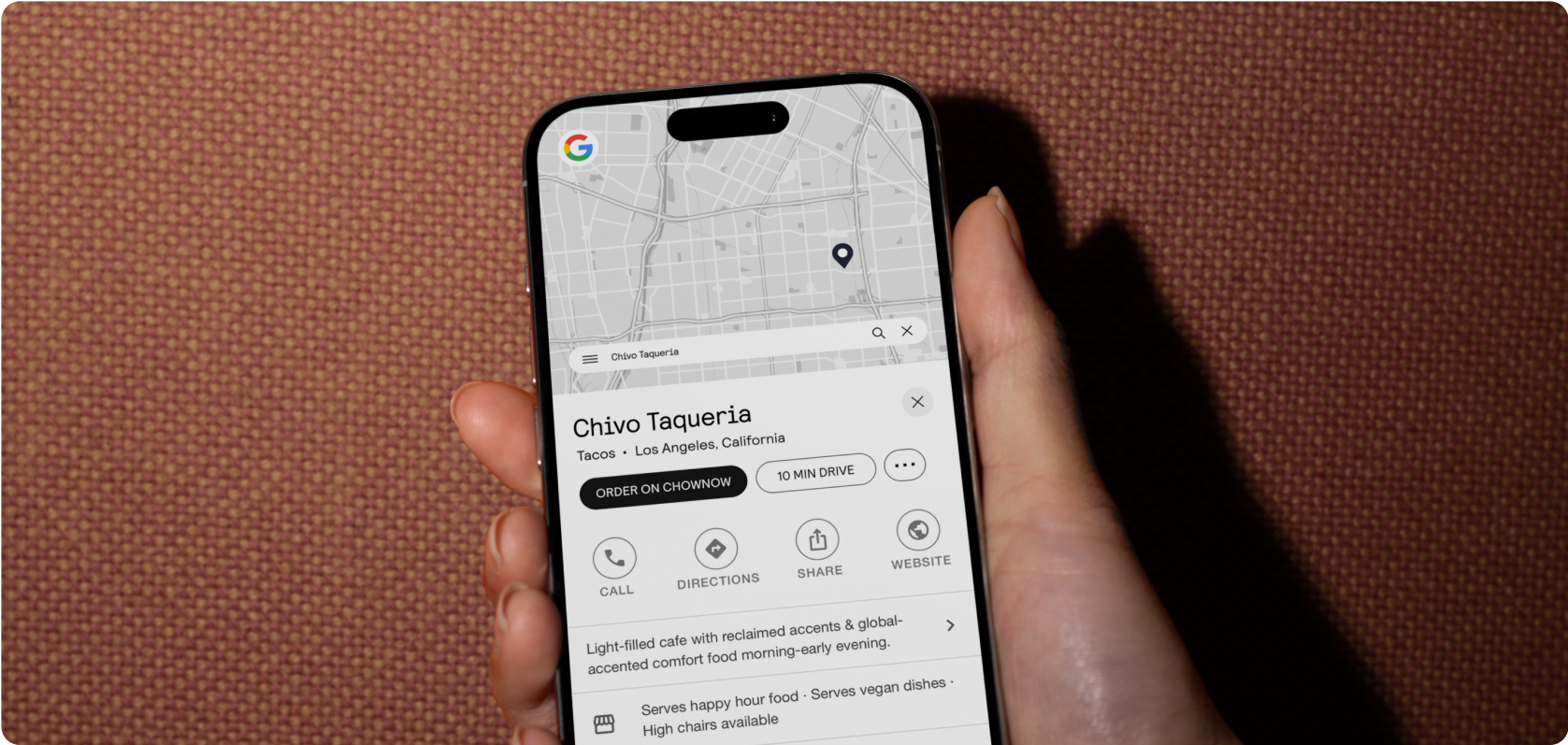
Step one is claiming your Google Business Profile and the best part is that it’s free.
Optimize your Google Business Profile in 4 steps
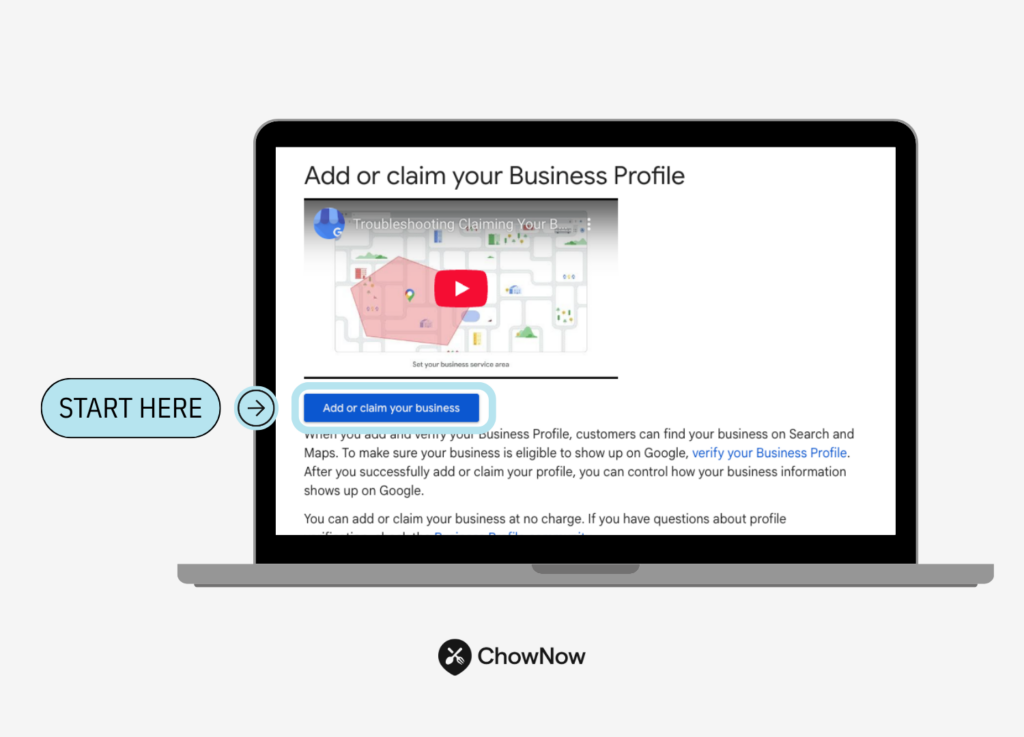
Your Google Business Profile (GBP) is one of the easiest and most powerful ways to get found online. Here’s how to set it up right:
- Claim and Verify Your Profile: Claim your listing in Google Business Profile Manager and verify it so you can control all the details.
- Add Complete, Accurate Information: Double-check your name, address, phone number, hours, and website. Consistency across all platforms builds trust and improves rankings.
- Upload High-Quality Photos and Menu Links: Post updated food shots, interior photos, and your menu. Restaurants with photos get significantly more clicks.
- Encourage and Respond to Reviews: With 92% of diners reading restaurant reviews before deciding where to eat (source), reviews can make or break your business. Ask happy customers to leave feedback and reply to every review to show you care.
Pro Tip: Post weekly updates like specials, events, or new menu items to keep your listing fresh and improve visibility in local search.
Be accurate on local listings and directories.
Beyond Google, there are several platforms where diners look for restaurant recommendations. Ensuring your restaurant’s information is accurate and up-to-date across all of them helps improve search rankings and customer trust.
- Keep Information Consistent: Just like Google Business Profile, your restaurant’s name, address, phone number, and hours should be the same across all platforms, including your website, social media, and third-party directories. Inconsistencies and errors can cause confusion and negatively impact how easily customers find you.
- Use Platforms Like Yelp and TripAdvisor: Many diners check reviews on Yelp, TripAdvisor, and other restaurant directories before deciding where to eat. Keep your profiles updated with recent photos, menu links, and accurate hours to make a good impression. Be sure to include information about your restaurant loyalty program to attract repeat customers.
Monitor and manage your online reputation.
Your restaurant’s online reputation can make or break customer decisions. Actively managing your reviews and interactions with customers shows that you care about them and their experience; it goes a long way toward gaining their trust and respect.
- Monitor and Respond to Reviews: Set up alerts for new reviews so you can respond quickly. Engaging with reviews—both positive and negative—demonstrates that you care about your customers. Make sure to acknowledge positive reviews and express gratitude, as this helps build a positive reputation and encourages more positive feedback from your guests.
- Handle Negative Feedback Constructively: Bad reviews happen, but how you respond matters. Apologize for any poor experiences, offer to make things right if possible, and keep responses professional. A well-handled negative review can actually improve your reputation by showing that you take customer concerns seriously.
Each of these marketing strategies is free, so even if you think you don’t have the money for restaurant marketing, you can start using these tactics today and see a major difference. Offering coupons and discounts is a classic restaurant marketing idea that remains effective, especially for attracting new customers and encouraging repeat visits.
5. In-House Marketing Campaigns and Customer Engagement
Marketing doesn’t stop once a customer walks through the door. In-house marketing strategies are key to building brand loyalty and encouraging repeat visits. A well-designed menu, smart rewards programs, and easy ways for guests to share feedback can turn one-time visitors into loyal regulars—all without spending extra on ads or promotions.
Menu design and engineering.
Your menu is one of your most powerful sales tools. A strategically designed menu can guide customer choices, increase check averages, and highlight the best parts of your restaurant.
- Make It Visually Appealing: Customers eat with their eyes first. A well-designed menu with clean formatting, high-quality images (if appropriate), and clear sections makes it easier for guests to find what they’re looking for.
- Highlight Signature Dishes: If you have standout items that people rave about, make them stand out on your menu. Use boxes, bold fonts, or icons to draw attention to house specialties or chef’s recommendations.
- Maximize Profitability: Not all menu items are created equal. Use strategic pricing, suggestive descriptions, and well-placed callouts to encourage guests to order high-margin dishes and add-ons.
Implement a rewards program
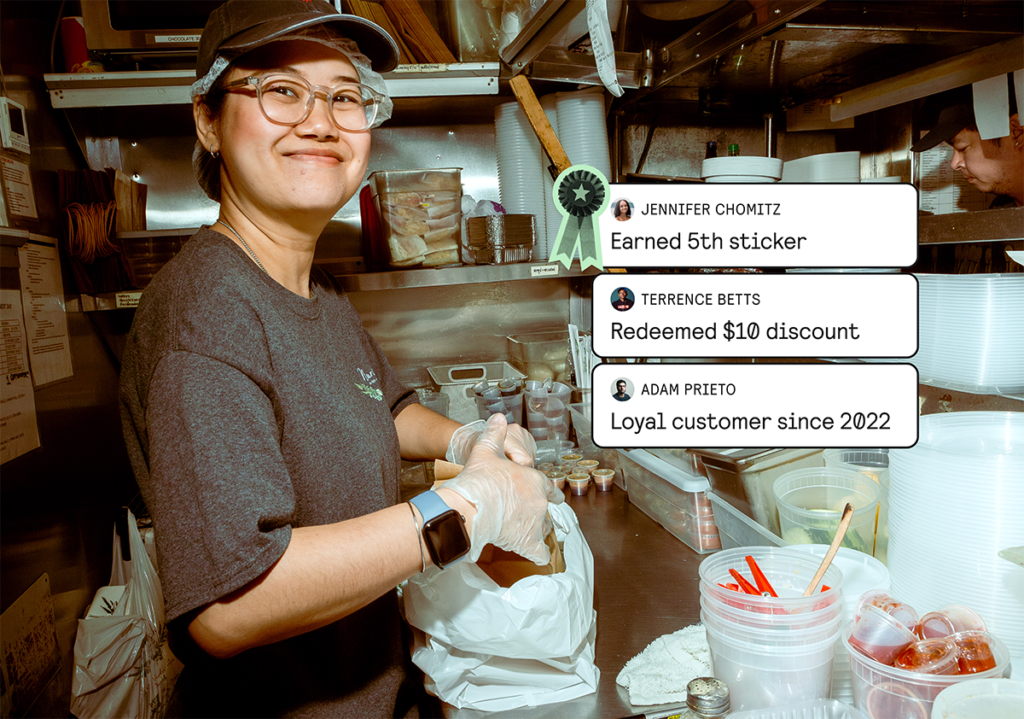
The easiest way to grow your restaurant is with a steady stream of repeat customers. Doing it well requires a smart, well-built rewards program to incentivize customers and keep them interested.
A well-designed rewards program helps turn first-time guests into loyal customers and encourages regular customers to keep coming back.
Customer loyalty also leads to lower costs and stronger lifetime value, as retaining existing customers is more cost-effective than acquiring new ones.
- Make It Easy to Join: Whether it’s a digital rewards program, a mobile app, or a simple email sign-up, the process should be quick and hassle-free.
- Offer Incentives That Matter: Discounts, free items, or exclusive perks for frequent diners can encourage repeat business. The key is offering rewards that are valuable enough to keep customers engaged without cutting too much into your margins.
- Encourage Engagement: Promote your loyalty program in-store, on receipts, and through email marketing. A small reminder like “Earn rewards on your next visit! Sign up today!” can drive more sign-ups.
- Simplify Loyalty with ChowNow Rewards: ChowNow Rewards makes it easy to incentivize repeat visits from customers who earn rewards directly through your online ordering system, keeping them engaged with your restaurant. Combining WiFi, POS systems, and other tools can streamline loyalty program tracking, making it easier to manage and optimize.
Customer feedback systems grow your customer base.
Happy customers are your best marketing asset, but you need a way to capture their feedback before they walk away.
- Make It Easy to Give Feedback: Provide QR codes on receipts or table tents that link to quick surveys. Some guests might prefer physical comment cards, so having both digital and in-person options ensures more responses.
- Act on What You Learn: Customer feedback is only useful if you use it. Regularly review feedback to spot trends, improve service, and refine your menu and operations.
- Turn Positive Feedback into Marketing: Encourage happy customers to leave reviews on Google and Yelp. A simple “We’d love to hear about your experience—leave us a review!” can go a long way in boosting your online reputation.
By optimizing your in-house marketing and customer engagement strategies, you’re not just providing a great dining experience—you’re building long-term relationships with guests who will keep coming back.
6. Community Engagement and Partnerships

Owning a restaurant means you’re an integral part of the community because your business adds a distinct flavor and personality to the neighborhood. Getting involved with local events, businesses, and suppliers strengthens customer loyalty, builds your reputation, and creates new marketing opportunities without relying solely on digital ads.
When people see your restaurant actively supporting the community, they’re more likely to support you in return.
Participate in local events and sponsorships.
Being present at local events puts your restaurant in front of potential customers in an organic, meaningful way. Hosting events like trivia nights can also drive customer engagement and encourage repeat visits, creating a fun and interactive atmosphere that keeps diners coming back.
- Participate in Community Events: Food festivals, farmers’ markets, and charity events are great ways to introduce your restaurant to new customers. Offering samples, running a pop-up, or sponsoring part of the event can create brand awareness and attract foot traffic. Additionally, hosting or promoting special events—such as limited-time offers, menu updates, or behind-the-scenes experiences—can increase your visibility and engagement within the community.
- Sponsor Local Teams or Charities: Supporting a neighborhood sports team or a local charity builds goodwill and strengthens your ties to the community. Even something as simple as offering post-game discounts for a high school team or partnering with a local nonprofit for a fundraising night can create long-term customer loyalty.
Collaborations with local businesses.
Working with other businesses in your area benefits both parties and introduces your restaurant to new audiences.
- Cross-Promote with Nearby Businesses: Partner with coffee shops, breweries, or boutique stores for co-branded promotions. For example, a local brewery might offer a discount to customers who dine at your restaurant, and you can do the same for their patrons.
- Host Joint Events or Specials: Team up with a nearby business to create a themed event—like a “Dinner & Drinks” pairing with a local distillery or a “Sip & Paint” event with a gallery. These partnerships expand your reach without requiring additional ad spend.
Farm-to-table initiatives.
Sourcing ingredients locally isn’t just good for the environment—it’s a great marketing tool that resonates with diners who care about quality and sustainability.
- Highlight Local Suppliers on Your Menu: If you source produce, meat, or specialty items from nearby farms, call them out on your menu or website. Customers appreciate knowing where their food comes from, and featuring local ingredients can be a selling point.
- Share Your Sourcing Story: If your restaurant prioritizes farm-to-table practices, showcase your partnerships on social media. Behind-the-scenes content featuring local farmers, suppliers, or artisan food makers adds authenticity to your brand and makes your restaurant more memorable.
Investing in your local community strengthens your connections with customers, positions your restaurant as a trusted and valued part of the neighborhood, and, most importantly, it just feels good to be part of a community that supports each other.
7. Leveraging Technology for Enhanced Customer Experience
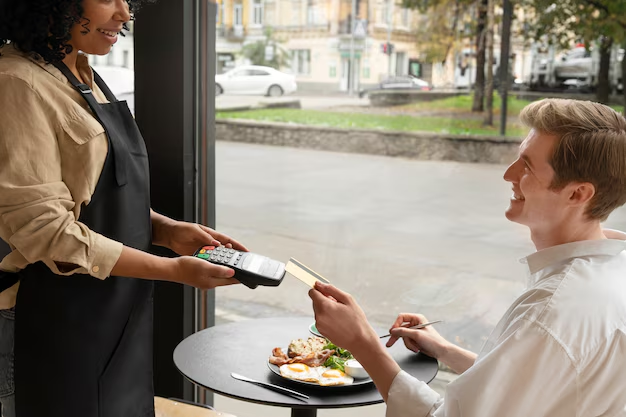
Your marketing is working—you’ve got a line out the door, and takeout and delivery orders are steadily rolling in—but first impressions don’t stop here.
Now, it’s about delivering an unforgettable dining experience, and the best way to do that?
Leveraging smart restaurant technology. For example, offering free WiFi enables wifi marketing, allowing you to collect customer information and send targeted promotions to encourage repeat visits.
Here’s how to make the most of it in 2026:
Customers love online ordering systems.
Customers expect convenience, and online ordering delivers—making it a must-have for restaurants looking to boost sales and reach more diners.
- Increase Revenue and Efficiency: Offering direct online ordering through your website reduces reliance on third-party delivery apps that charge high commissions. It also allows you to manage orders more efficiently and keep more profits in-house.
- Choose the Right Platform: The best online ordering system integrates seamlessly with your existing operations. Look for platforms that allow for easy menu updates, customer data collection, and a smooth checkout experience for guests. ChowNow’s branded mobile app gives on-the-go customers a direct way to order from your restaurant while keeping your branding consistent.
Have a smooth service with reservation management tools.
A well-managed reservation system keeps tables turning efficiently while ensuring a seamless experience for both guests and staff.
- Reduce No-Shows and Last-Minute Cancellations: Reservation software with automated reminders helps reduce missed bookings by sending customers text or email confirmations before their visit.
- Optimize Peak Times: A reservation system lets you control table availability, balance walk-in and reserved seating, and keep service running smoothly even during the busiest hours.
Use in-house table technology.
Customers are increasingly comfortable with digital interactions and in-house restaurant technology can enhance the experience while helping your restaurant run more effectively.
- Tablets and Kiosks for Ordering: Self-service kiosks and tableside tablets allow guests to browse the menu, customize orders, and even pay without waiting for a server. This speeds up service and increases average check sizes by encouraging add-ons.
- Digital Menus and Contactless Payments: QR code menus and mobile payment options provide a frictionless ordering experience, reducing wait times and making transactions faster and more convenient.
By leveraging restaurant technology, you’re not just giving your customers a significantly better experience—you’re laying the foundation for repeat business.
8. Measuring and Analyzing Marketing Efforts

You can’t approach marketing with a “set it and forget it” mentality. To keep your restaurant growing and to get the most out of your marketing dollars, you need to track what’s working, adjust what isn’t, and refine your approach over time.
By analyzing key metrics, leveraging the right tools, and staying adaptable, you can maximize the impact of your marketing efforts and ensure you’re getting the best return on investment.
Key Performance Indicators (KPIs)
Not all marketing efforts will have immediate results, which is why tracking performance is essential. The right key performance indicators (KPIs) help you measure success and make data-driven decisions.
- Customer Acquisition Cost (CAC): How much does it cost to bring in a new customer? If you’re running paid ads, partnerships, or promotions, this metric helps determine whether your investment is paying off.
- Customer Lifetime Value (CLV): A one-time visit is great, but how much revenue does a customer generate over time? A strong rewards program, email marketing, and excellent service can all increase CLV by encouraging repeat visits.
- Online Engagement Metrics: Website traffic, social media interactions, and email open rates indicate how well your digital marketing efforts are performing and where adjustments may be needed.
Use analytics tools to make informed decisions.
The right tools can simplify tracking and help you make smarter marketing decisions.
- Google Analytics: Essential for tracking website traffic, visitor behavior, and how customers find you online.
- Social Media Insights: Platforms like Instagram, Facebook, and TikTok provide data on post engagement, audience demographics, and ad performance.
- Online Ordering and CRM Data: Your ordering system or customer relationship management (CRM) tool can help track repeat orders, reward program participation, and customer preferences.
Continuously improve every strategy.

Marketing trends, customer behavior, and industry challenges are always changing, so ongoing adjustments are necessary to stay competitive.
- Test and Tweak Your Strategies: If a campaign isn’t delivering results, adjust the messaging, timing, or platform. Small changes—like tweaking ad copy, refining your email subject lines, or adjusting a promo offer—can have a big impact.
- Stay Updated on Industry Trends: Keep an eye on emerging restaurant marketing trends, whether it’s new social media platforms, evolving SEO strategies, or shifts in customer preferences. The more adaptable your marketing approach, the more success you’ll see over time.
By consistently measuring, analyzing, and refining your marketing efforts, you ensure your restaurant stays competitive and appealing to customers—no matter how the industry evolves.
The Ultimate Restaurant Marketing Guide for Owners & Operators – Frequently Asked Questions
How should I market my restaurant in 2026?
The best way to market a restaurant in 2026 is to combine digital and local strategies. Focus on local SEO to appear in Google searches, post consistently on social media, use loyalty programs to retain customers, and participate in community events to stay visible.The goal is to attract new faces while keeping your regulars coming back.
What’s the fastest way to get more customers?
The fastest way to get more restaurant customers is to appear in local Google searches and maintain strong reviews. Pairing this with targeted promotions and a simple rewards program helps convert online visibility into foot traffic and orders.
How do I know if my marketing is working?
You know your restaurant marketing is working if online orders, reservations, website traffic, and repeat visits are growing. Tracking engagement on social media and email also shows whether your promotions are reaching customers.
How do I get my restaurant to show up on Google?
To show up on Google, claim and verify your Google Business Profile, use location-based keywords on your website, keep business info consistent across platforms, and encourage happy customers to leave reviews.
What are some promotion ideas that will work for my marketing budget?
Budget-friendly promotions can be highly effective if they focus on visibility and repeat visits without cutting too deeply into margins. Posting regularly on social media keeps your restaurant top of mind, while sharing customer photos builds trust. Limited-time specials add urgency, cross-promotions with local businesses expand your reach, and simple loyalty programs reward regulars in a cost-effective way.
How do I turn social media followers into paying customers?
Turn followers into customers by tying posts to promotions, linking directly to your ordering page, sharing short videos of your food, and always including a clear call-to-action like “Order Now” or “Book a Table.”
How often should I run digital advertising or promotions for my restaurant?
Run major promotions around holidays, seasonal menus, or local events, and smaller offers on a weekly or monthly basis to keep your restaurant top of mind year-round.
How do I make a restaurant marketing plan?
Building a marketing plan starts with setting measurable goals—like increasing online orders or boosting weekday lunch traffic. From there, define your target customers, choose the marketing channels that reach them best, and set a realistic budget. A campaign calendar helps you stay consistent, making it easier to build lasting habits that support growth.
Can better marketing really help me compete with other restaurants?
Yes. Better marketing helps restaurants compete by improving visibility, strengthening customer loyalty, and adapting quickly to changing diner preferences.
Consistency Is Key—Keep Refining, Keep Growing
Marketing is an ongoing process with many wins and losses—the idea is to always learn from both so your strategies can evolve, adapt, and improve over time, ensuring your restaurant stays top of mind, and a community favorite.
Connect with ChowNow to learn how our powerful marketing tools can help you increase sales, improve customer retention, and grow your restaurant.