How to Find Your Restaurant’s Target Market

Every successful restaurant has one thing in common: they know exactly who they are serving.
Understanding your target market is the foundation of making smart decisions for your menu, pricing, and overall guest experience.
Without a well-defined target market, restaurants risk wasting resources on strategies that don’t connect and menu offerings that don’t sell—trying to appeal to everyone, but standing out to no one.

On the other hand, when you know exactly who your ideal customers are, you can craft an experience that resonates with customers on a deeper, emotional level, creating a connection that will keep them coming back for years.
In this article, you will learn:
- How to define your restaurant’s target market to guide your business decisions.
- Key customer factors that influence dining preferences, from demographics to behavior.
- Actionable ways to research your market and tailor your restaurant to fit their needs.
Let’s get started and find your target audience.
What Is a Restaurant Target Market?

A restaurant target market is the specific group of customers your restaurant is designed to attract. These are the people most likely to dine with you based on factors like their age, income, dining preferences, and lifestyle.
Instead of trying to attract everyone, a well-defined target market helps you focus on the customers who are the best fit for your restaurant concept.
A crucial first step in defining both your restaurant concept and your target market is conducting a thorough market analysis. This process helps you evaluate the demographics, location, and preferences of potential customers in your area.
Why does this matter?
Because your target market helps shape everything from:
- Menu design (offering dishes that appeal to your ideal guests)
- Pricing (aligning costs with what your audience is willing to spend)
- Marketing (choosing the right platforms and messaging to reach them)

For example, a fast-casual taco shop catering to college students might offer affordable, grab-and-go options and promote itself on Instagram and TikTok.
Meanwhile, a fine-dining steakhouse targeting business professionals will prioritize a refined menu, premium pricing, and marketing efforts that focus on corporate events and high-end experiences.
Understanding your customer segments and potential customers is essential for developing a business plan that aligns with your market analysis. This ensures your restaurant is positioned for long-term success by attracting and retaining the right guests.
Key Factors That Define Your Target Market

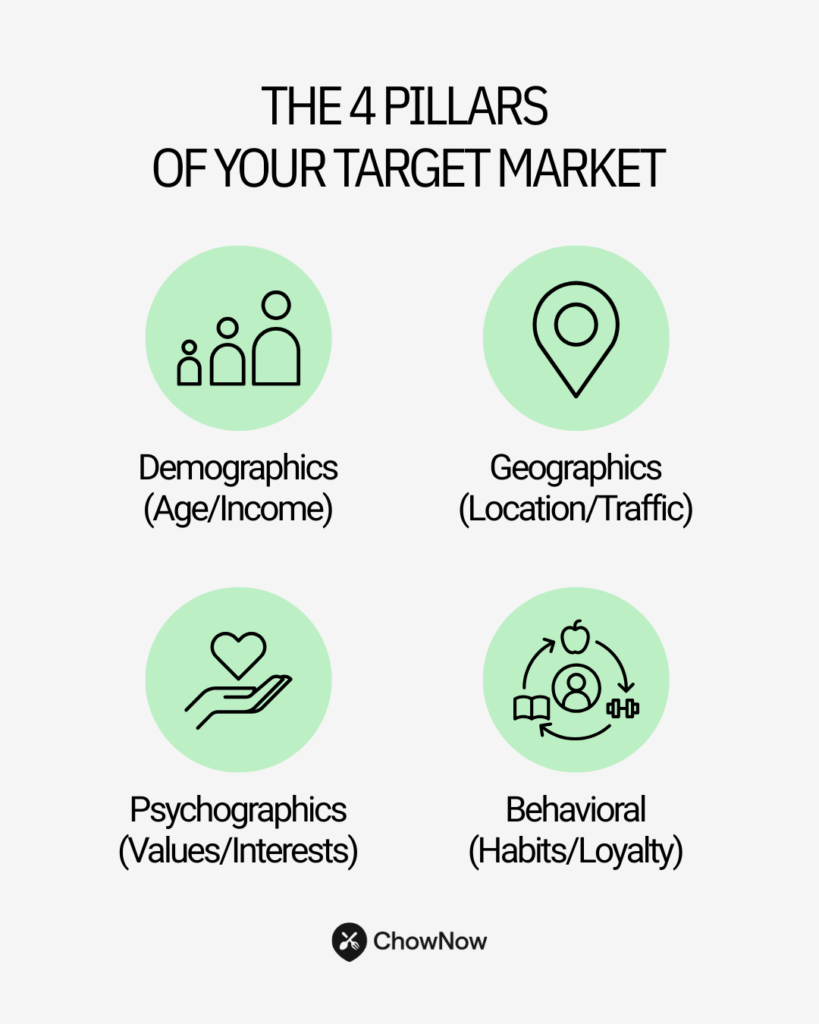
Your restaurant’s ideal customers can be identified by analyzing and organizing distinct customer segments using four main factors: demographics, geographics, psychographics, and behavioral patterns.
Understanding these categories helps you create a personalized restaurant experience that meets customer expectations and inspires them to keep coming back.
Demographics: Who Are Your Customers?
Demographics help you define the basic characteristics of your target diners, giving you insight into who they are, what they can afford, and how their lifestyle influences their dining choices. Collecting demographic information and demographic data is essential for accurately identifying and understanding your restaurant target market.
By understanding these details, you can tailor everything from portion sizes to service style to better match their expectations.
Key demographic factors to consider:
- Age: Are you catering to college students, young professionals, families, or retirees?
- Income: Do your customers prioritize affordability, or are they willing to pay premium prices?
- Family Status: Are you serving couples, solo diners, or parents with children?
- Occupation: Are your guests office workers looking for quick lunch options or locals enjoying a relaxed meal?
Public data sources, such as U.S. Census reports, can provide valuable census data and demographic data about local population characteristics and income levels. Gathering this helps you evaluate whether a sufficient number of potential customers reside in your restaurant’s location and provides insights into the types of customers you can expect in a specific area.
Geographics: Where Are Your Customers?
Your location plays a huge role in shaping your customer base. Consider whether your business benefits from steady local traffic, relies on seasonal tourism, or serves commuters passing through. It’s also essential to assess if your location has enough potential customers in the area to support your restaurant.
Important geographic factors include:
- Neighborhood Profile: Is your restaurant in a business district, a residential area, or a tourist hotspot?
- Foot Traffic: Are most of your customers walk-ins, commuters, or destination diners?
- Climate & Seasonality: Does the weather impact what people order or when they dine out?
Psychographics: What Do Your Customers Care About?
Psychographics go beyond basic data and look at the emotions, interests, and values that drive customer decisions. These insights help you connect with your audience on a deeper level and shape branding and messaging that resonates with them.
Ask yourself:
- Dining Preferences: Do they prioritize health-conscious options, indulgent comfort food, or trendy dishes?
- Values: Are they eco-conscious, looking for sustainable and local ingredients?
- Lifestyle Choices: Do they prefer fast, casual meals, long, social dining experiences, or a lively atmosphere?
Behavioral Factors: How Do Your Customers Dine?
Understanding customer behavior helps you refine your approach to service, marketing, and menu design. Behavior and habits are the ‘what’ people actually do based on their psychographics, including activities and buying habits.
By analyzing how your guests interact with your restaurant and others like it, you can anticipate their needs and adjust your business strategy accordingly.
Key behavioral factors include:
- Dining Habits: Do they eat out frequently or only for special occasions?
- Dining Frequency: How often do they visit your restaurant or similar establishments?
- Spending Habits: What are their purchasing patterns, loyalty, and preferences? Do they prefer budget-friendly deals or splurge on premium menu items?
- Repeat Customers: Are there guests who return regularly, driving customer loyalty and increasing dining frequency?
- Loyal Customers: Is there a core group of diners who appreciate your atmosphere, menu, and special offers?
- Repeat Business: What strategies are in place to encourage guests to return and foster ongoing engagement?
- Brand Loyalty: How loyal are your customers to your restaurant compared to competitors?
- Online Ordering Behavior: Are they more likely to dine in, take out, or order for delivery?
Understanding these factors gives you a clearer picture of who your ideal customers are—but knowing who they are is just the first step.
Next, let’s explore how to research and identify them with real data.
How to Research and Identify Your Ideal Customers

Now that you understand the key factors that give you a broad definition of your target market, the next step is collecting guest data from multiple sources as the first step in defining your target audiences. This process, known as target market analysis, is a key step in restaurant and food business planning.
Instead of guessing, you can use consumer data—gathered through data analysis methods such as surveys, POS data, and online reviews—to gain valuable insights into your ideal customers. Organizing focus groups can also provide qualitative data about customer preferences and behaviors, helping you further refine your marketing and menu strategy.
Here’s how:
Analyze Your Current Customers
The best way to understand your target market is to look at the people already dining with you. Your POS system, online ordering system, and customer feedback hold valuable insights:
- POS & Sales Data: Identify top-selling menu items, peak dining times, and average spending per customer.
- Online Ordering Trends: See who prefers delivery vs. pick-up, and which menu items are most popular online.
- Customer Reviews & Feedback: Are guests raving about your food quality, or do they mention price as a key factor?
After gathering this information, use it to create buyer personas that represent your target market. A buyer persona is a detailed profile of your ideal customer, developed using demographic, psychographic, and behavioral data. Creating this will help you understand your ideal customer based on real data, allowing you to tailor your offerings and marketing strategies to better meet their needs.
Patterns in this data can help you fine-tune your menu, pricing, and promotions to better serve your actual customer base.

Check Out Competitors
If a similar restaurant in your area is thriving, it’s worth analyzing who they attract and how they market to them.
When conducting competitor analysis, be sure to identify both direct competitors—those offering similar products or services within the same market—and indirect competitors, which are businesses that serve similar customer needs but offer different types of cuisine or products.
For example, indirect competition means a bakery may compete with a breakfast café, as both fulfill the morning meal needs of customers even though their offerings differ.
You don’t need to copy them, but their success can offer valuable insight into what resonates with customers and what might not be working in your own restaurant:
- Who’s Dining There? Are they catering to families, young professionals, or tourists?
- What’s Their Menu Like? Are they offering high-end dishes, budget-friendly meals, or niche items?
- How Are They Marketing? Do they rely on social media, local events, or partnerships with delivery services?
Understanding audience segmentation not only helps you analyze competitors more effectively, but also enhances your marketing ROI and creates a superior guest experience in the restaurant industry.
Observing competitors can help you spot gaps in the market and find ways to differentiate your restaurant.
Use Social Media Insights
Social media isn’t just for marketing, it’s a goldmine of customer data. With 73% of Americans on platforms like Facebook and Instagram, built-in analytics tools provide insights into who’s engaging with your brand.
- Demographics & Interests: Platforms track age, gender, location, and even hobbies of your followers.
- Engagement Trends: Which posts get the most likes, comments, and shares? This can reveal what resonates with your audience.
- Review & Mention Monitoring: Are people tagging your restaurant in posts? Reading customer comments can reveal what they love (or don’t love) about your experience.
By analyzing these insights, you can tailor your messaging to speak directly to the people most interested in your restaurant. These social media analytics also help inform effective marketing strategies, such as guest segmentation and personalized communication, ensuring your campaigns are targeted and relevant to your restaurant target market.
Conduct Surveys and Collect Feedback
Sometimes, the simplest way to understand your customers is to ask them directly. Short surveys can provide actionable insights about their preferences and dining habits.
You can gather feedback through:
- Email or SMS Surveys: A quick “What’s your favorite menu item?” or “How often do you order delivery?” can reveal useful trends.
- Table or Receipt Surveys: Offer a small incentive (like a discount) to encourage in-person guests to provide feedback.
- Social Media Polls: Instagram Stories and Facebook polls let you ask customers about new dishes, promotions, or dining preferences in real-time.
- Focus Groups: Organize focus groups with members of your target market to gather in-depth qualitative insights into customer preferences and behaviors.
The more direct input you collect, the better you can refine your restaurant to meet your customers’ expectations.
Adapting Your Restaurant to Fit Your Target Market

Once you’ve identified your ideal customers, the next step is aligning your restaurant’s offerings to their preferences.
From menu choices to pricing and marketing, every element should be tailored to what your customers are looking for. Creating a memorable dining experience not only differentiates your restaurant but also encourages repeat visits and customer loyalty. Aligning your restaurant with your target market gives you a competitive edge in the industry.
Here’s how to make strategic adjustments:
Menu Optimization: Serve What Your Customers Crave
Your menu should reflect the tastes, dietary preferences, and dining habits of your target market, and should be guided by your overall restaurant concept. The restaurant concept helps determine which menu items best fit your brand identity and appeal to your ideal customers. Use customer insights to refine your offerings:
- Highlight Popular Dishes: If certain items sell better than others, consider expanding that category or adding variations.
- Accommodate Dietary Trends: If your audience leans health-conscious, offer more plant-based or low-calorie options. If they prioritize indulgence, focus on rich, comfort-food-style dishes.
- Adjust Portions & Formats: A lunch-heavy crowd may prefer smaller, grab-and-go options, while a dinner-focused audience may want shareable plates or multi-course meals.
- Seasonal & Local Adjustments: If sustainability or local sourcing matters to your diners, promote seasonal specials featuring local ingredients.
For example, fast food restaurants tailor their menus to meet the preferences of customers who value convenience and quick service, offering items that are easy to prepare and consume on the go.
A well-optimized menu isn’t just about taste, it also aligns with pricing expectations and convenience preferences.
Pricing Strategy: Match Expectations and Willingness to Pay

Pricing isn’t just about covering costs, it should be based on what your right target market expects to pay. Understanding the spending habits of your right target market is crucial for setting prices that align with their expectations and purchasing patterns. Consider these factors when setting menu prices:
- Perceived Value: Higher-income customers may prioritize quality and exclusivity over affordability, while budget-conscious diners look for deals and portion sizes.
- Competitive Pricing: Analyze how similar restaurants price their dishes and determine where you fit in—are you a premium experience, a budget-friendly spot, or somewhere in between?
- Meal Bundles & Specials: Create pricing options that fit your audience. For example, families may appreciate kid-friendly combos, while busy professionals might want a discounted lunch special.
- Delivery & Takeout Considerations: Customers may be willing to pay a little extra for convenience, so pricing for online orders can differ from in-house dining.
Strategic pricing helps you stay competitive and profitable while ensuring your customers feel like they’re getting their money’s worth.
Marketing Strategies: Reach Your Ideal Diners Where They Are
View this post on Instagram
To attract and retain the right customers, your marketing efforts need to be as targeted as your menu. Instead of spreading your message everywhere, focus on channels that align with your audience’s habits:
- Social Media Focus: Younger crowds may engage more with Instagram and TikTok, while older demographics respond better to Facebook promotions and email marketing.
- Local SEO & Google Business Profile: If your restaurant depends on foot traffic, optimizing for local search ensures you appear in “restaurants near me” searches.
- Community Engagement: If you’re in a neighborhood-driven market, consider partnering with local businesses, attending food festivals, or offering promotions through local events.
- Loyalty & Referral Programs: If your audience includes frequent diners, encourage repeat visits with rewards programs or discounts for referring friends. Implementing a loyalty program can help build a loyal customer base and drive more frequent visits by offering exclusive perks, discounts, or free meals.
Your marketing should speak directly to your target customers—whether that’s through social media ads, local outreach, or email campaigns.
Technology and Convenience: Meet Customers Where They Order
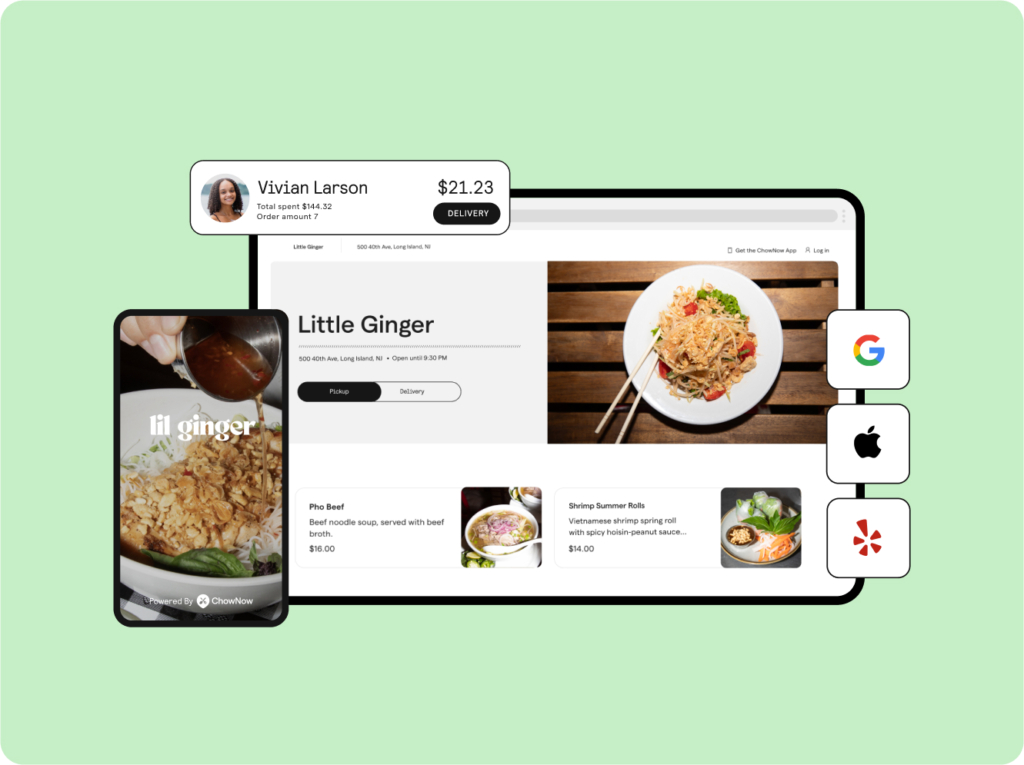
Today’s diners expect a smooth experience from start to finish. If they prioritize quick service or prefer to order online, the right technology helps you meet them where they are.
- Online Ordering & Delivery: If takeout and delivery are a major part of your market, ensure your restaurant has an easy-to-use direct online ordering system.
- Loyalty Programs & Digital Deals: Customers who order regularly appreciate digital rewards, push notifications, and personalized promotions.
- Contactless & Mobile Payments: Many diners, especially younger demographics, prefer Apple Pay, Google Pay, and QR code menus for quick transactions.
By embracing technology that fits your target market’s needs, you can make it easier for them to engage with your restaurant in ways that feel familiar.
Common Mistakes to Avoid

Even with the best intentions, many restaurant owners fall into avoidable traps when defining and reaching their target market. The restaurant industry is constantly evolving, with guest expectations and market trends changing rapidly, requiring ongoing adaptation.
Here are the biggest mistakes to watch out for—and how to avoid them.
Trying to Appeal to Everyone
It’s tempting to think that the more people your restaurant appeals to, the more successful it will be. But in reality, trying to cater to everyone often means you’re not truly connecting with anyone.
- A menu that tries to satisfy all tastes can feel unfocused and overwhelm diners.
- A marketing strategy that’s too broad can fail to resonate with the right audience.
- Pricing that’s neither high-end nor budget-friendly can make your restaurant feel indistinct rather than intentional.
The Fix: Focus on your core audience by identifying and connecting with the right target market. It’s better to have a loyal, repeat customer base than a one-time visit from everyone. Define your niche and own it.

Many restaurant owners make decisions based on gut feelings rather than actual data. While instinct is valuable, ignoring real customer insights can lead to costly mistakes.
- You may assume your most popular dish is a best-seller, but your POS system shows that customers prefer another item.
- You may believe your target market wants premium ingredients, but online reviews suggest they value affordable, everyday dining more.
- You might think people love dining in, but your order data could reveal that most of your sales come from takeout and delivery.
The Fix: Use POS analytics, customer feedback, and social media insights to make informed decisions—let data guide your adjustments.
Not Adjusting Marketing Efforts When the Market Shifts
Consumer preferences change over time, and if you’re not adapting, you risk falling behind. What worked a year ago might not resonate today.
- Dining trends evolve: Plant-based options, gluten-free dishes, and sustainability-focused menus have all gained traction in recent years.
- Technology changes expectations: Customers now expect seamless online ordering, digital payments, and social media engagement.
- Your competitors adjust: If other restaurants are shifting their pricing or adding features like delivery partnerships or loyalty programs, you need to stay competitive.
The Fix: Stay engaged with industry trends, customer feedback, and competitor strategies. Regularly review your menu, pricing, marketing, and technology to ensure you’re keeping up with what your target market wants.
Your Ideal Customers Are Out There—Make Sure Your Restaurant Speaks to Them
Finding and connecting with the right customers isn’t about casting the widest net—it’s about making sure your restaurant truly resonates with the people who will love what you offer. Understanding your restaurant’s target audience is essential for fostering brand loyalty and ensuring long-term success.
Contact ChowNow to learn how tools like a rewards program can help you connect with your restaurant’s target market and turn first-time guests into loyal regulars.
Restaurant Target Market Frequently Asked Questions
What is a restaurant target market?
A restaurant target market is the specific group of customers most likely to dine at your restaurant, based on demographics, location, lifestyle, and dining behavior. Identifying this audience helps shape your menu, pricing, marketing strategy, and overall guest experience.
Why is identifying your restaurant’s target market important?
Defining your target market allows you to make smarter business decisions by focusing on the customers most aligned with your concept. It helps you attract repeat guests, improve marketing effectiveness, and avoid wasting resources on strategies that don’t resonate.
How do I determine the target market for my restaurant?
To determine your restaurant’s target market, analyze customer data, study your competitors, gather feedback through surveys, and use social media insights. Focus on factors like age, income, dining habits, location, and values to narrow down your ideal customer profile.
What restaurant marketing strategies help attract the right customers?
The most effective strategies focus on knowing your target market, using customer surveys, and aligning your menu, pricing, and online ordering features with real customer behavior.
How does an online ordering system improve customer experience?
A direct online ordering system makes ordering easier, builds trust, and helps restaurants collect data that improves service and repeat visits.
Why are customer surveys important for restaurant business development?
Customer surveys provide direct feedback on preferences, price points, and experience gaps, helping restaurants refine their business model and grow sustainably.