The Best Food Delivery Service for Restaurants: A 2026 Guide
The last few years have put a permanent spotlight on delivery. The permanent shift in dining habits has made delivery a critical part of business operations. Many restaurateurs have been left to evaluate the best food delivery service for their restaurant.
But not all food delivery services are created equal. With many on-demand food delivery apps charging paralyzing commissions of up to 40%, it’s essential to the success of your restaurant that you choose the right partner.
In this article, we will cover:
- Going Commission-Free: How to avoid fees that punish your success.
- Cost Sharing: Strategies to split delivery costs with your customers.
- Data Ownership: Why you need to own your guest data, not rent it.
- Guest Experience: How to ensure food quality when it leaves your building.
Choosing the Right Partner
With an estimated 70 million Americans expected to order food delivery via third-party services in the next three years, there is a massive opportunity. To do well in the takeout space, your restaurant’s food must get delivered to diners’ doors with the same quality as a dine-in meal.
As a restaurant owner, finding the best food delivery service isn’t just about signing up with any company. It is about finding a partner that supports your restaurant and respects your margins. You need an ordering system that protects your profits, manages pickup and takeout effortlessly, and allows customers modify orders with proper support.
The best choice is a partner that helps you cut through the noise, ensuring that when someone decides to eat out, your restaurant is the one they choose.
Here are four steps to choosing the best food delivery apps and services to future-proof your delivery business.
Step 1: Go Commission-Free
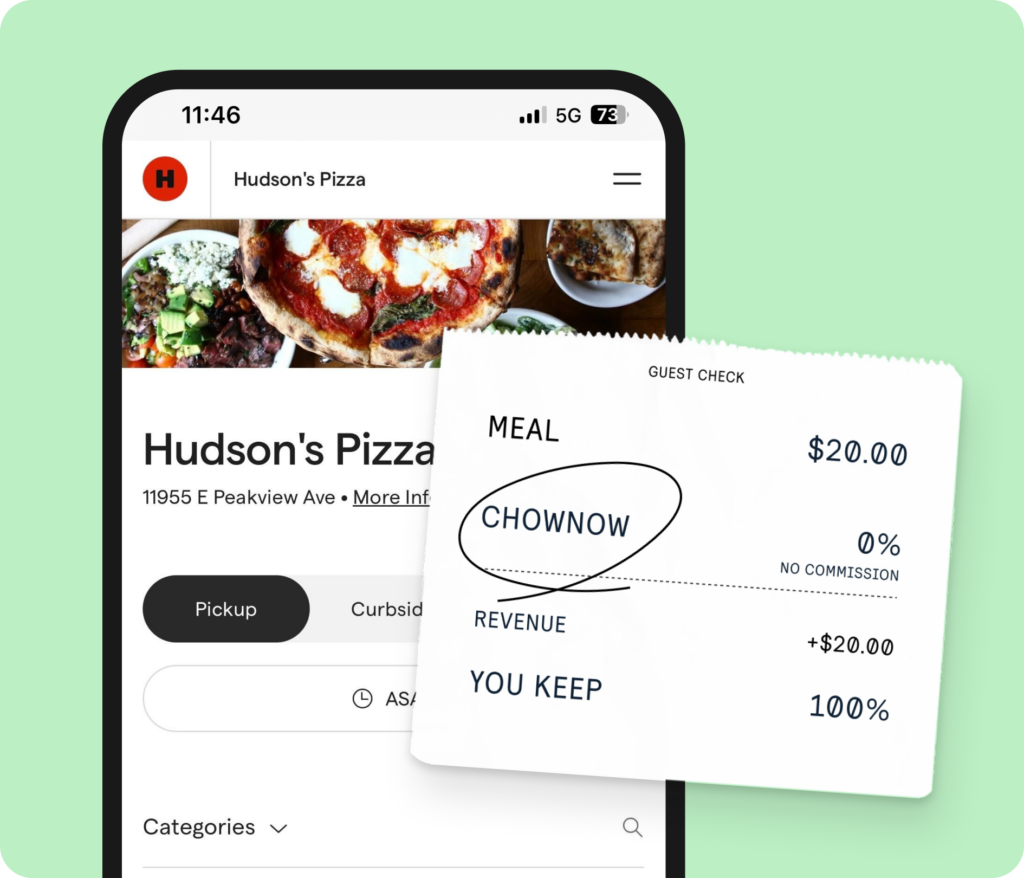
The best food delivery service is the one that is most profitable for your restaurant. If you partner with third-party food delivery apps, you’re likely paying a commission on every order. These are commission fees charged to restaurant owners for each transaction. Despite this common practice, it can hurt your restaurant.
How much you pay in commissions, which can be up to 30% of every order, is based on how large the ticket is. The higher your sales, the more you fork over to third-party delivery apps. As your delivery business becomes more successful, restaurant owners end up losing more money to commission fees, reducing overall profits.
That’s why it’s critical to work with a partner that won’t charge you commissions.
Instead, pick a partner with a more sustainable cost structure, like a flat rate or distance-based pricing. A delivery fee should account for how far the food is traveling, instead of how much food your customers are buying.
Step 2: Look for a service that lets you split delivery costs with customers.
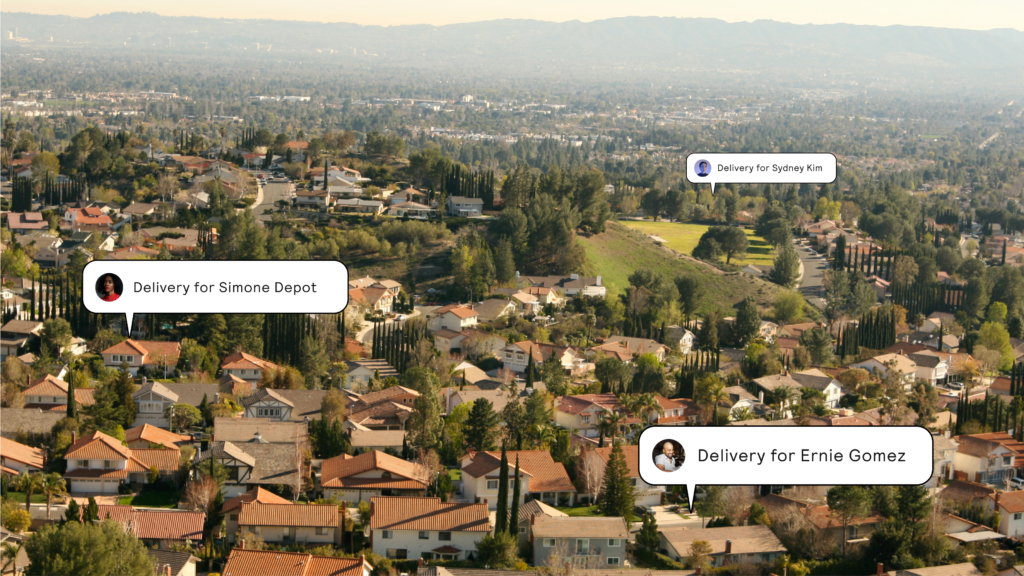
When evaluating the best food delivery service for your restaurant, choose one that offers you flexibility in setting delivery fees for both you and your guests. When you switch to commission-free delivery, you have an opportunity to both simplify and lower prices for both your customers and your restaurant.
On top of the 30% they collect from restaurants, popular food delivery apps will also charge your diners exorbitant delivery fees. Many food delivery apps also add additional service fees, and these service fees vary depending on the platform and location. What’s more, some delivery apps tack on “small order fees” when tickets are below a given threshold.
Cost Breakdown: Commission vs. Commission-Free
According to a survey by US Foods, the average delivery customer is willing to pay $8.50 for delivery fees and tip. A distance-based rate and additional flexibility helps ensure that your delivery business remains profitable and affordable for your customers.
Choosing the right delivery partner can help both restaurants and customers save money by minimizing unnecessary service fees and optimizing price structures. For example, ChowNow restaurant partners are presented with one distanced-based delivery fee that they can choose to pay or split with their guests.
The ideal provider will also let you easily control the size of your delivery zones, which makes it simple to account for the costs, making them the best choice for restaurants seeking affordability and flexibility.
Step 3: Keep control of your brand and customer data.

The best food delivery service is also one that can help you make better business decisions. Your restaurant’s brand helps you cultivate long lasting relationships with your customers.
When you rely on delivery marketplaces, customers interact with the app’s branding, instead of yours, while ordering from your restaurant. Many of these companies own multiple apps and other services, which can impact how your restaurant is presented and discovered by customers.
In fact, certain apps and other apps don’t even show your logo or display your menu and branding prominently when they list your restaurant right next to dozens of competitors.
This approach isn’t limited to branding, it extends to the data that marketplaces collect when your customers order.
Commission-based marketplaces will use your customers’ email addresses to promote other restaurants to your hard-earned clientele. Worse, they won’t share your customer data with you, so that you can market to your own customers.
The right delivery partner will build your restaurant your own branded online ordering, which puts your restaurant in the spotlight, gives you ownership of your customer data, and allows you to control your digital menu for better visibility and engagement.
Step 4: Ensure a quality guest experience.
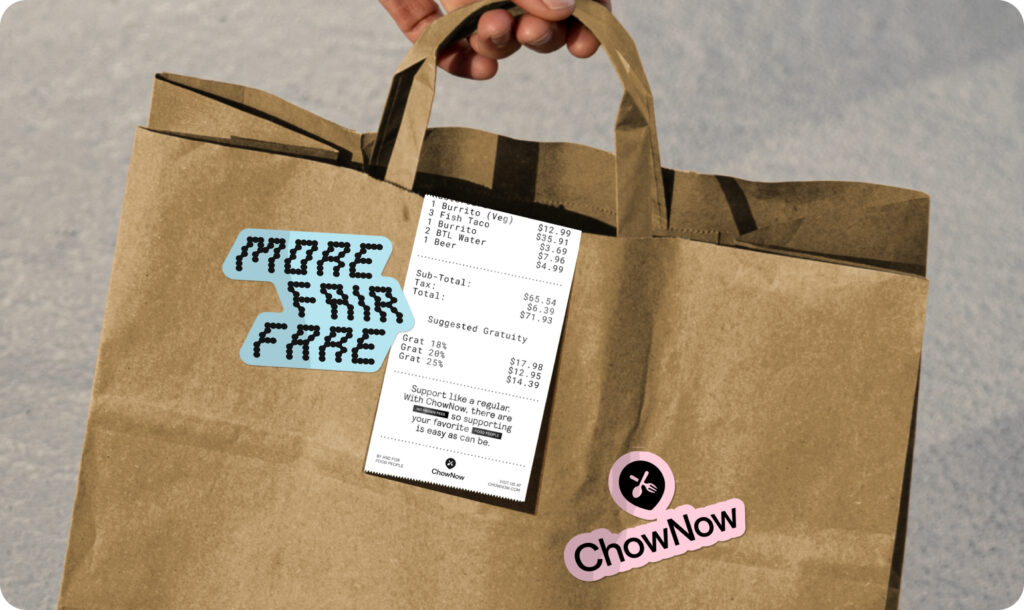
Naturally, as a hospitality expert, you want your guests to have a fantastic experience. When your food travels off-premise, it can be harder to ensure customer satisfaction. With third-party delivery marketplaces, your customer experience is at the whim of delivery driver quality. Delivery times can vary significantly depending on the service and location, which can greatly impact customer satisfaction.
When choosing the best food delivery partner, enlist one that provides top quality drivers. Having expert couriers in addition to lowering fees, ensuring food quality, and staying in communication will keep your guests smiling, especially when food is delivered promptly and in good condition, no matter where they are.
Take Control of Your Delivery, Keep More Profits
If you’re ready to offer food delivery without handing over your profits, ChowNow is built for you. Our commission-free ordering helps you keep every dollar you earn, and Flex Delivery lets you customize fees, distance, and zones so you stay in control of your bottom line.
Still using third-party apps for discovery? No problem. ChowNow’s Order Aggregation now connects apps like Uber Eats and DoorDash directly to your system, letting you manage all your third-party orders alongside your high-margin direct orders without the tablet clutter.
You focus on great food. We’ll handle the delivery.
Best Food Delivery App Frequently Asked Questions
What is the best food delivery service for restaurants to use?
The best food delivery service is one that prioritizes your profitability rather than charging high commissions. While many food delivery apps charge up to 30 percent per order, the best choice for local restaurants is often a commission-free partner that offers flat-rate or distance-based pricing. This structure ensures that as your business grows and you sell more money worth of food, you aren’t losing significant revenue to service fees.
How do I choose a food delivery service for my restaurant?
Start by comparing service fees, delivery fees, and how much control you get over your menu and customer data. Many restaurants prefer delivery apps that let them set distance based rates, manage delivery zones, and tailor pickup orders. If a delivery service hides your branding or promotes other restaurants to your customers, that can cost you more money long term.
What fees should I expect from food delivery apps?
Delivery apps and services usually charge a mix of commissions, service fees, delivery fees, and small order fees. These service fees vary widely. Some restaurants pay up to 30 percent per order on certain delivery apps, while commission free delivery partners help restaurants save money and keep pricing predictable for customers.
Why is owning customer data important when choosing a delivery service?
When customers order food through third-party marketplaces, they are interacting with the app rather than your brand. These platforms keep the data and may even use your customers’ email addresses to promote other restaurants. The best food delivery partner will help you build your own branded ordering system, giving you ownership of customer data so you can market directly to your location’s loyal diners.
How do I reduce the cost of offering delivery?
Choose a delivery partner with sustainable pricing. Commission based delivery services can charge costly fees, but commission free providers allow you to split delivery fees with guests, customize delivery zones, and avoid hidden costs. These options help most restaurants save money without compromising food quality or customer experience.